
Trusted by 140+ Homeowners
What Counts As A Biohazard Inside A Home?
- Over 144 5-Star Reviews
- Free Estimates and Quotes
- 100% Satisfaction Guaranteed
- Child, Family & Pet Safe Steps
- 24-Hour Emergency Service
- Fully Licensed & Insured

Biohazards inside a home are dangerous substances that can spread disease. They include things like blood, bodily fluids, and contaminated waste.
Identifying and properly handling biohazards is crucial for your family’s safety.
TL;DR:
- Biohazards are biological materials that pose a health risk.
- Common home biohazards include sewage, blood, and animal waste.
- Exposure can lead to serious health issues.
- Professional cleanup is often necessary for safety.
- Prompt action is key to preventing further contamination.
What Counts as a Biohazard Inside a Home?
A biohazard is a biological substance that presents a threat to the health of living organisms. In your home, this can mean a variety of things. It’s anything that could carry harmful pathogens like bacteria, viruses, or parasites.
These materials can cause illness if not handled correctly. Understanding what qualifies as a biohazard is the first step to protecting your home and family.
Bodily Fluids and Contaminated Materials
One of the most common types of biohazards involves human or animal bodily fluids. This includes blood, vomit, feces, and urine. These substances can transmit diseases.
Accidents happen, but when these materials are present, they create a potential health risk. Proper cleanup is essential to prevent the spread of infections.
Sewage and Wastewater Contamination
Sewage backups are a serious biohazard concern. When your sewer line backs up, it brings contaminated wastewater into your home. This water is filled with bacteria and viruses.
Dealing with sewage contamination cleanup risks requires immediate attention. You should call a professional right away if you suspect sewage is backing up.
This type of contamination is more than just a mess. It’s a direct threat to your health. We found that improper cleanup can lead to lingering health problems.
Risks of Dirty Water
Not all water damage is equal. Dirty water, often from overflowing toilets or sewage leaks, is considered a significant biohazard.
The biohazards from dirty water can be extensive. This is why sanitizing after toilet overflow is so important.
Animal Waste and Remains
Pet accidents, rodent infestations, or even deceased animals in attics or walls can create biohazards. Animal waste contains bacteria.
If left unaddressed, these can become breeding grounds for harmful microorganisms. Clean up animal waste promptly to avoid health issues.
Rodent and Pest Infestations
Rodents and other pests can carry diseases. Their droppings and urine can contaminate surfaces. This creates a biohazard situation, especially if there’s a large infestation.
Research shows that these can spread serious illnesses. Professional pest control and cleanup are often needed.
Medical Waste and Contaminated Items
In some homes, medical waste might be present. This could include used needles, bandages, or contaminated medical supplies. These items can carry infectious agents.
Dispose of medical waste safely according to local guidelines. If you find unexpected medical waste, seek professional advice.
Handling Contaminated Water Inside the Home
Water from floods or leaks can quickly become a biohazard. Especially if it sits for a while or comes into contact with sewage or other contaminants.
Understanding the contaminated water inside the home is key. This is where knowing if floodwater is considered a biohazard becomes important.
Is Floodwater Considered a Biohazard?
Yes, floodwater is often considered a biohazard. Especially if it’s from rising rivers, storm surges, or standing water that hasn’t been treated.
Floodwater can pick up bacteria, chemicals, and debris. This makes floodwater damage inside your home a serious concern.
The Dangers of Standing Water
When floodwater stands for any length of time, it becomes a breeding ground for bacteria. It can mix with sewage, pesticides, and other harmful substances.
The health risks from black water, a term for sewage-contaminated water, are severe. You must consider the health risks from black water.
Safe Cleanup After Sewage Backup
A sewage backup is one of the most dangerous biohazard situations. It requires specialized equipment and protective gear.
Attempting a safe cleanup after sewage backup without professional help is strongly discouraged.
Drying a Flooded Basement Safely
Drying out a flooded basement is critical. But it must be done correctly to prevent mold and bacteria growth.
Simply airing out a space isn’t enough. You need to ensure you are drying a flooded basement safely and effectively.
When Do You Need Professional Biohazard Cleanup?
There are many situations where DIY cleanup just won’t cut it. If you’re dealing with significant contamination, it’s time to call in the experts.
Professional biohazard cleanup is designed to handle the toughest situations. They have the training and equipment to do the job right.
Why Does Biohazard Cleanup Require Special Certification?
Biohazard cleanup professionals undergo extensive training. They learn about infectious diseases, proper containment, and decontamination methods.
This special certification ensures they can perform the work safely. It protects both the cleanup crew and your household.
The Importance of Expert Advice Today
Don’t underestimate the risks associated with biohazards. Getting expert advice today can save you a lot of trouble down the line.
If you have any doubts about the safety of a situation, err on the side of caution.
How Do Pros Disinfect a Home After a Biohazard Event?
Professionals use specialized cleaning agents and equipment. They follow strict protocols to ensure all contaminants are removed. This includes containment of the affected area.
They also use advanced techniques for sanitizing after a toilet overflow or other sewage issues. This is crucial for preventing future problems.
Serious Health Risks from Exposure
Exposure to biohazards can lead to a range of illnesses. These can vary from mild infections to life-threatening diseases.
We found that some diseases can be contracted from biohazards from dirty water or other sources.
Is a Death in a Home Considered a Biohazard Situation?
Yes, the unattended death of a person or animal is considered a biohazard situation. Bodily fluids are released, and decomposition begins.
This requires specialized cleanup procedures. The biohazards from dirty water are one type, but biological decomposition is another.
Safe Cleanup After Sewage Backup and More
When dealing with biohazards, especially those involving sewage, you can’t afford to wait. The longer a biohazard is left untreated, the greater the risk.
It’s important to act before it gets worse.
Conclusion
Biohazards in your home are a serious matter. They range from sewage backups and floodwater to bodily fluids and animal waste. Recognizing these threats is the first step in protecting your health and property. For any significant biohazard event, especially those involving sewage or unattended death, it is essential to call a professional right away. VB Restoration Services is a trusted resource for expert biohazard cleanup and restoration, ensuring your home is safe and healthy again.
What are the most common biohazards in a home?
The most common biohazards include sewage and wastewater, human or animal bodily fluids like blood, urine, and feces, and contaminated materials from pest infestations or deceased animals.
Can I clean up a small amount of blood myself?
For very small, fresh bloodstains, you might be able to clean them with proper precautions. However, it’s always best to err on the side of caution. If there’s any doubt, or if the amount is more than a tiny spot, professional help is recommended to avoid exposure to potential pathogens.
How long does it take for biohazards to become dangerous?
The danger from biohazards can be immediate. Bacteria and viruses can begin to multiply quickly, especially in warm, moist conditions. Prolonged exposure increases the risk of infection and illness.
What are the signs of a biohazard problem in my home?
Signs include strong odors, visible contamination like sewage or mold, unexplained stains, or evidence of pest infestations. Any unusual or unpleasant presence of biological material should be considered a potential biohazard.
What happens if biohazards are not cleaned properly?
Improper cleanup can lead to lingering pathogens, which can cause ongoing health issues for occupants, including infections and allergic reactions. It can also result in persistent odors and further structural damage if moisture is involved.
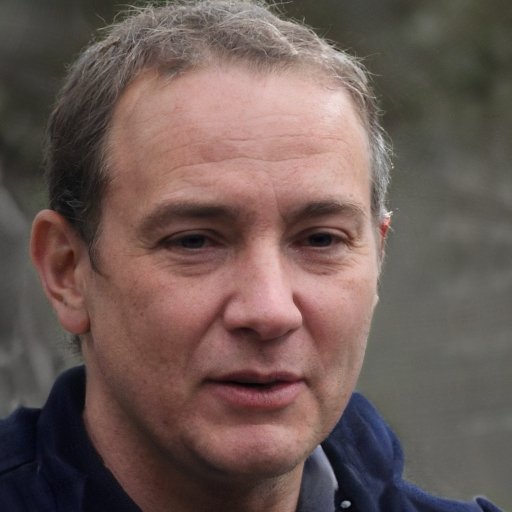
Lonnie Traynor is a seasoned authority in the property recovery sector, bringing over 20 years of hands-on experience to every restoration project. As a licensed Damage Restoration Expert, Lonnie has built a reputation for technical excellence and unwavering integrity, ensuring homeowners regain peace of mind after a crisis.
𝗟𝗶𝗰𝗲𝗻𝘀𝗶𝗻𝗴 & 𝗘𝘅𝗽𝗲𝗿𝘁𝗶𝘀𝗲: Lonnie holds elite IICRC certifications in Water Damage Restoration (WRT), Applied Microbial Remediation (AMR), Applied Structural Drying (ASD), Odor Control (OCT), and Fire and Smoke Restoration (SRT). This comprehensive background allows him to navigate complex insurance claims and structural recovery with surgical precision.
𝗙𝗮𝘃𝗼𝗿𝗶𝘁𝗲 𝗣𝗮𝘀𝘁𝗶𝗺𝗲: When he isn’t on a job site, Lonnie enjoys restoring vintage woodworking tools and hiking through local nature trails.
𝗕𝗲𝘀𝘁 𝗣𝗮𝗿𝘁 𝗼𝗳 𝘁𝗵𝗲 𝗝𝗼𝗯: Lonnie finds the greatest reward in seeing a family’s relief when their house finally feels like a home again.