
Trusted by 140+ Homeowners
What Happens During Professional Biohazard Remediation?
- Over 144 5-Star Reviews
- Free Estimates and Quotes
- 100% Satisfaction Guaranteed
- Child, Family & Pet Safe Steps
- 24-Hour Emergency Service
- Fully Licensed & Insured

Professional biohazard remediation involves a structured, safety-first approach to cleaning and decontaminating areas affected by dangerous biological substances.
This process is critical for preventing the spread of disease and ensuring a safe environment for occupants.
TL;DR:
- Professionals use specialized gear and techniques for safety.
- The process involves containment, cleaning, disinfection, and deodorization.
- Biohazard remediation addresses various dangers like blood, bodily fluids, and sewage.
- It’s crucial for health and property integrity.
- Always call experts for biohazard situations.
What Happens During Professional Biohazard Remediation?
When you face a situation involving dangerous biological materials, professional biohazard remediation is essential. This isn’t a DIY job. Experts follow strict protocols to ensure safety and thoroughness. They handle everything from crime scenes and trauma incidents to situations involving untreated decay or sewage contamination cleanup risks. Your health and the integrity of your property are their top priorities.
The Initial Assessment and Safety First
The first step a professional team takes is a thorough assessment of the affected area. They identify the type of biohazard present and the extent of the contamination. This allows them to plan the most effective and safest approach. They will determine the necessary personal protective equipment (PPE) and containment strategies. This careful planning is vital to prevent further spread of contaminants.
Containment is Key
Once assessed, the team establishes a containment zone. This prevents the spread of microscopic contaminants to other parts of your home or business. They might use plastic sheeting and negative air pressure machines. This ensures that airborne particles are captured and filtered. This containment is a critical step in preventing cross-contamination. It’s like building a temporary, sterile bubble around the problem area.
Understanding the Risks
Biohazards come in many forms. They can include blood, bodily fluids, and even certain types of mold. Situations like a severe sewage backup can introduce a host of dangerous pathogens. Understanding what counts as a biohazard inside a home is the first step in recognizing the need for professional help. Ignoring these can lead to serious health risks.
The Cleaning and Removal Process
With containment in place, the actual cleaning begins. Technicians meticulously remove all contaminated materials. This includes porous items like carpets, upholstery, and drywall that cannot be properly disinfected. They use specialized cleaning agents and equipment. The goal is to remove all visible traces of the biohazard. This is a careful and methodical process.
Dealing with Specific Contaminants
Different biohazards require different approaches. For instance, dealing with biohazards from dirty water requires a robust strategy. This is especially true if the water is contaminated with sewage. The team ensures all affected surfaces are thoroughly cleaned and treated. They understand the nuances of each type of contamination to provide effective remediation.
Disinfection and Sanitization
After cleaning, the process moves to disinfection. Professionals use EPA-approved disinfectants. These are specifically chosen for their effectiveness against the identified biohazards. They apply these solutions using various methods, like fogging or spraying. This step is crucial for eliminating any remaining pathogens and ensuring the area is safe. This is how pros disinfect a home after a biohazard event.
How Pros Disinfect a Home
The methods used for disinfection are advanced. Professionals often use electrostatic sprayers to ensure even coverage. They also employ a variety of chemical solutions. These are chosen based on the specific contaminants. It’s a science to ensure sanitizing after toilet overflow is complete and effective. They leave no stone unturned.
Odor Removal
Biohazard events often leave behind strong, unpleasant odors. These odors can be persistent and difficult to remove with standard cleaning methods. Professional remediation services use specialized deodorizing techniques. This might include ozone treatments or thermal fogging. Their goal is to completely neutralize odors, not just mask them. This ensures your property smells fresh again.
Waste Disposal
Proper disposal of biohazardous waste is a critical part of the remediation process. All contaminated materials are carefully packaged. They are then transported and disposed of according to strict federal, state, and local regulations. This ensures that the waste is handled safely and does not pose a risk to the public or the environment. Safe disposal is non-negotiable.
Personal Protective Equipment (PPE)
Throughout the entire process, the remediation team wears extensive PPE. This includes respirators, gloves, full body suits, and eye protection. This gear is essential for their safety. It prevents them from coming into contact with hazardous materials. Understanding what PPE do workers use during biohazard remediation highlights the dangers they manage.
Why PPE Matters
The use of biohazards from dirty water or other biological agents means workers are exposed to potential infections. Proper PPE acts as a barrier. It protects them from diseases you can get from biohazard exposure at home. Without it, the cleanup crew could become victims themselves. This underscores the importance of hiring trained professionals.
The Importance of Professional Intervention
When dealing with biohazards, do not wait to get help. The longer you wait, the greater the risk to your health and property. Biohazards can spread quickly. They can cause structural damage and create long-term health issues. Professional remediation services have the training, equipment, and expertise to handle these situations safely and effectively.
When to Call for Help
You should call a professional immediately if you encounter situations like:
- Unattended death or decomposition.
- Sewage backups or health risks from black water.
- Accidents involving significant blood or bodily fluids.
- Vandalism involving feces, urine, or other biological waste.
- Suspected mold risks behind damp walls after a leak.
Acting quickly can prevent further damage and prevent mold after leaks.
What to Expect After Remediation
After the professionals have completed their work, the area should be safe. They will often provide documentation of the services performed. You may want to consider additional cleaning or air quality testing. This offers extra peace of mind. However, the primary goal is to return your property to a safe and habitable condition. This provides long-term peace of mind.
Conclusion
Professional biohazard remediation is a complex and essential service. It requires specialized knowledge, equipment, and a commitment to safety. From initial assessment and containment to thorough cleaning, disinfection, and proper waste disposal, every step is critical. If you are facing a biohazard situation, remember that acting before it gets worse is key. For expert guidance and reliable remediation services, VB Restoration Services is a trusted resource ready to help restore your property and your peace of mind.
What is the main goal of biohazard remediation?
The main goal is to safely and effectively remove hazardous biological materials. This prevents disease transmission and restores the property to a safe condition for occupancy. It’s about protecting public health.
Can I clean up a biohazard myself?
For most biohazards, it is strongly advised against cleaning them yourself. The risks of exposure to dangerous pathogens and the potential for improper cleanup are too high. Professional training and equipment are necessary for safe cleanup after sewage backup.
How do professionals ensure their own safety?
Professionals ensure their safety through rigorous training, the use of comprehensive personal protective equipment (PPE), and strict adherence to established safety protocols and containment procedures. This is vital when dealing with sewage contamination cleanup risks.
What kind of waste is generated during biohazard cleanup?
Biohazard cleanup generates regulated medical waste. This includes contaminated personal protective equipment, cleaning materials, and any affected building materials. All of this waste requires specialized disposal methods.
How long does a typical biohazard remediation project take?
The duration varies greatly depending on the severity and type of contamination. Some small incidents might take a day, while larger or more complex situations, like extensive mold risks behind damp walls, could take several days or even weeks. It is best to get expert advice today for an estimate.
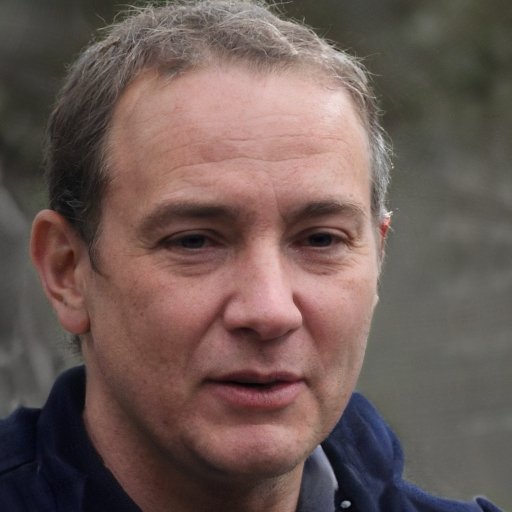
Lonnie Traynor is a seasoned authority in the property recovery sector, bringing over 20 years of hands-on experience to every restoration project. As a licensed Damage Restoration Expert, Lonnie has built a reputation for technical excellence and unwavering integrity, ensuring homeowners regain peace of mind after a crisis.
𝗟𝗶𝗰𝗲𝗻𝘀𝗶𝗻𝗴 & 𝗘𝘅𝗽𝗲𝗿𝘁𝗶𝘀𝗲: Lonnie holds elite IICRC certifications in Water Damage Restoration (WRT), Applied Microbial Remediation (AMR), Applied Structural Drying (ASD), Odor Control (OCT), and Fire and Smoke Restoration (SRT). This comprehensive background allows him to navigate complex insurance claims and structural recovery with surgical precision.
𝗙𝗮𝘃𝗼𝗿𝗶𝘁𝗲 𝗣𝗮𝘀𝘁𝗶𝗺𝗲: When he isn’t on a job site, Lonnie enjoys restoring vintage woodworking tools and hiking through local nature trails.
𝗕𝗲𝘀𝘁 𝗣𝗮𝗿𝘁 𝗼𝗳 𝘁𝗵𝗲 𝗝𝗼𝗯: Lonnie finds the greatest reward in seeing a family’s relief when their house finally feels like a home again.