
Trusted by 140+ Homeowners
How Do Pros Disinfect A Home After A Biohazard Event?
- Over 144 5-Star Reviews
- Free Estimates and Quotes
- 100% Satisfaction Guaranteed
- Child, Family & Pet Safe Steps
- 24-Hour Emergency Service
- Fully Licensed & Insured

Pros disinfect a home after a biohazard event using a systematic approach. This involves containment, thorough cleaning, disinfection, and verification.
Professional disinfection tackles dangerous pathogens and prevents the spread of illness, ensuring your home is safe again.
TL;DR:
- Biohazard cleanup requires specialized training and equipment.
- Pros use EPA-approved disinfectants and follow strict safety protocols.
- Containment is key to preventing cross-contamination.
- Disinfection targets pathogens, while deodorization removes odors.
- Verification ensures the space is safe to reoccupy.
How Do Pros Disinfect a Home After a Biohazard Event?
Dealing with a biohazard event in your home can be overwhelming. You might wonder how professionals tackle such serious situations. The process is far more involved than a typical cleaning. It requires specialized knowledge, equipment, and strict safety measures.
Understanding the Scope of a Biohazard
First, it’s important to know what constitutes a biohazard. This isn’t just about visible messes. It includes anything that poses a risk to human health. This can range from sewage backups to decomposing organic matter. We found that understanding the specific type of biohazard is the first step in the cleanup process.
When we talk about biohazards, we often think of extreme scenarios. However, even seemingly minor issues can create risks. For example, biohazards from dirty water can spread quickly if not addressed properly. Knowing what to look for is essential for your safety.
Initial Assessment and Containment
The very first step for professionals is a thorough assessment. They need to identify the extent of the contamination. This helps them determine the right course of action. Then, containment is crucial. They use specialized barriers and negative air pressure systems. This prevents the spread of airborne contaminants to unaffected areas of your home.
Think of it like building a protective bubble around the affected zone. This ensures that the cleaning and disinfection efforts stay focused. It also protects your family and pets from further exposure. This containment phase is absolutely critical for effective cleanup.
Identifying Different Types of Biohazards
Not all biohazards are the same. Some are more dangerous than others. Understanding these differences helps professionals choose the right methods. For instance, sewage backups present a different challenge than a deceased animal. We found that the classification of the biohazard dictates the urgency and the specific protocols.
What counts as a biohazard inside a home can be surprising. It can include things like blood, bodily fluids, or even mold growth. Knowing the potential risks helps you understand why professional intervention is necessary. It’s not just about cleaning; it’s about mitigating serious health risks.
The Cleaning and Disinfection Process
Once contained, the real work begins. Professionals use a multi-step cleaning and disinfection process. They start by removing all contaminated materials. This includes porous items like carpet, drywall, and furniture that cannot be salvaged. These are carefully bagged and disposed of according to strict regulations.
Next, they meticulously clean all affected surfaces. This involves using specialized cleaning agents. These agents break down organic matter and remove stains and odors. After cleaning, the disinfection phase begins. This is where they use EPA-approved disinfectants. These are designed to kill a wide range of pathogens, including bacteria, viruses, and fungi.
Choosing the Right Disinfectants
The choice of disinfectant is critical. Professionals use products that are proven effective against the specific contaminants present. They ensure the disinfectant has adequate contact time to work properly. This means letting the solution sit on the surface for a specified period. We found that using the wrong disinfectant can be ineffective, leaving dangerous microbes behind.
For example, dealing with contaminated water inside the home requires disinfectants that can handle bacteria like E. coli and Salmonella. The goal is to neutralize the threat and make your home safe. This is why you should not wait to get help when dealing with such issues.
Dealing with Specific Biohazard Scenarios
Different biohazard situations require tailored approaches. For instance, sewage backup cleanup is a high-priority event. It involves dealing with Category 3 water, often called black water. This type of water contains dangerous pathogens. Professionals must take extreme precautions to ensure safe cleanup after sewage backup.
Another scenario is dealing with unattended death. Is a death in a home considered a biohazard situation? Absolutely. The decomposition process releases harmful substances. Professionals are trained to handle these sensitive situations with respect and efficiency. They address the health risks from black water and other biological materials.
Hoarding situations also present unique challenges. Is hoarding cleanup considered a biohazard situation? Yes, often it is. The accumulation of items can lead to unsanitary conditions, pest infestations, and mold growth. Professionals manage the cleanup and sanitizing after toilet overflow and other potential issues.
Odor Removal and Deodorization
After cleaning and disinfection, odors often linger. Biohazards can leave behind strong, unpleasant smells. Professionals use advanced deodorization techniques. This can include ozone treatments, hydroxyl generators, and thermal fogging. These methods neutralize odor-causing molecules at their source.
They don’t just mask the smell; they eliminate it. This ensures that your home not only looks clean but smells fresh and feels truly safe. This is a vital step in restoring your peace of mind. We found that effective odor removal makes a huge difference in the perceived safety of a home.
What About Floodwater?
Is floodwater considered a biohazard? It often is, especially if it comes from natural sources like rivers or storm drains. Floodwater can contain sewage, chemicals, and debris. Professionals must assess the risk associated with items affected by floodwater exposure. They can help determine what can be salvaged and what needs to be discarded.
After heavy rain, flood damage cleanup requires careful attention. Professionals will test the water and surfaces to identify any harmful contaminants. They then proceed with appropriate cleaning and disinfection methods to ensure your home is safe.
Verification and Safety Checks
The final step is verification. Professionals conduct thorough checks to ensure the area is safe. This might involve air quality testing. They confirm that all contaminants have been removed and that disinfection levels are met. This step provides peace of mind. You can be sure that your home is free from hazards.
They work to ensure that the environment is safe for you and your family to return. This meticulous process is what sets professional biohazard remediation apart. It’s about restoring not just your home, but your sense of security.
Why Professional Help is Essential
Attempting to clean up a biohazard yourself is extremely risky. You could expose yourself and your loved ones to dangerous pathogens. Without the proper training and equipment, you might not effectively remove all the contaminants. This can lead to long-term health problems. It’s always best to call a professional right away.
Professionals have the tools, the knowledge, and the protective gear needed. They follow industry best practices and safety regulations. This ensures the job is done right the first time. They can handle everything from sewage contamination cleanup risks to more complex situations.
Consider the potential aftermath of dealing with health risks from black water without proper protection. It’s simply not worth the gamble. Professionals are equipped to handle these scenarios safely and effectively. They also know how to deal with situations like sanitizing after toilet overflow with the right procedures.
The Importance of Speed
In biohazard situations, time is of the essence. The longer contaminants are left untreated, the more they can spread. They can also cause more damage to your home’s structure. Acting quickly minimizes the risk to your health and the cost of repairs. It’s always a good idea to act before it gets worse.
We found that quick response times are crucial for minimizing damage and health risks. Professionals are trained to respond rapidly to these emergencies. They can often begin the remediation process within hours of your call.
Conclusion
Disinfecting a home after a biohazard event is a complex and dangerous task. Professionals approach it with a systematic process that includes containment, thorough cleaning, effective disinfection, and verification. They use specialized equipment and EPA-approved solutions to ensure the safety of your home and family. If you’re facing a biohazard situation, understanding the professional approach highlights why seeking expert help is essential. At VB Restoration Services, we are committed to restoring your home safely and efficiently, providing peace of mind when you need it most.
What are the main steps in professional biohazard disinfection?
The main steps involve assessing the contamination, containing the affected area, removing contaminated materials, cleaning and disinfecting all surfaces, and finally, verifying that the space is safe to reoccupy. Odor removal is also a key part of the process.
Can I clean up a biohazard myself?
It is strongly advised against cleaning up a biohazard yourself. Without proper training, protective gear, and specialized equipment, you risk serious health consequences and may not fully eliminate the contamination, leading to future problems.
How do professionals ensure disinfection is effective?
Professionals use EPA-approved disinfectants specifically chosen for the type of biohazard present. They ensure proper contact time and may conduct post-remediation testing, such as air quality checks, to verify the effectiveness of the disinfection.
What kind of training do biohazard remediation specialists have?
Biohazard remediation specialists undergo extensive training in handling hazardous materials, understanding infectious diseases, using personal protective equipment (PPE), containment procedures, and the proper disposal of biohazardous waste according to strict regulations.
How long does biohazard disinfection typically take?
The duration varies greatly depending on the size and nature of the biohazard event. Minor situations might take a day or two, while larger or more complex incidents, like those involving extensive sewage contamination or unattended death, can take several days or even weeks to complete fully.
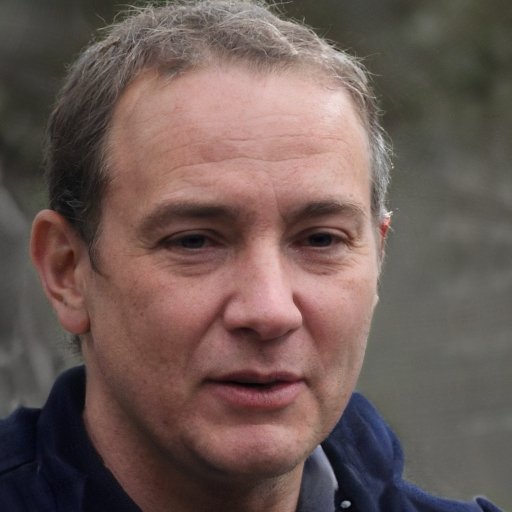
Lonnie Traynor is a seasoned authority in the property recovery sector, bringing over 20 years of hands-on experience to every restoration project. As a licensed Damage Restoration Expert, Lonnie has built a reputation for technical excellence and unwavering integrity, ensuring homeowners regain peace of mind after a crisis.
𝗟𝗶𝗰𝗲𝗻𝘀𝗶𝗻𝗴 & 𝗘𝘅𝗽𝗲𝗿𝘁𝗶𝘀𝗲: Lonnie holds elite IICRC certifications in Water Damage Restoration (WRT), Applied Microbial Remediation (AMR), Applied Structural Drying (ASD), Odor Control (OCT), and Fire and Smoke Restoration (SRT). This comprehensive background allows him to navigate complex insurance claims and structural recovery with surgical precision.
𝗙𝗮𝘃𝗼𝗿𝗶𝘁𝗲 𝗣𝗮𝘀𝘁𝗶𝗺𝗲: When he isn’t on a job site, Lonnie enjoys restoring vintage woodworking tools and hiking through local nature trails.
𝗕𝗲𝘀𝘁 𝗣𝗮𝗿𝘁 𝗼𝗳 𝘁𝗵𝗲 𝗝𝗼𝗯: Lonnie finds the greatest reward in seeing a family’s relief when their house finally feels like a home again.