Shawboro, NC · Currituck County
AC Unit Water Removal in Shawboro, NCEmergency AC Water Removal & AC Condensate Drain Clearing
AC Unit Water Removal in Shawboro runs from emergency AC water removal and AC leak water cleanup to air conditioner restoration services.
Answered 24/7
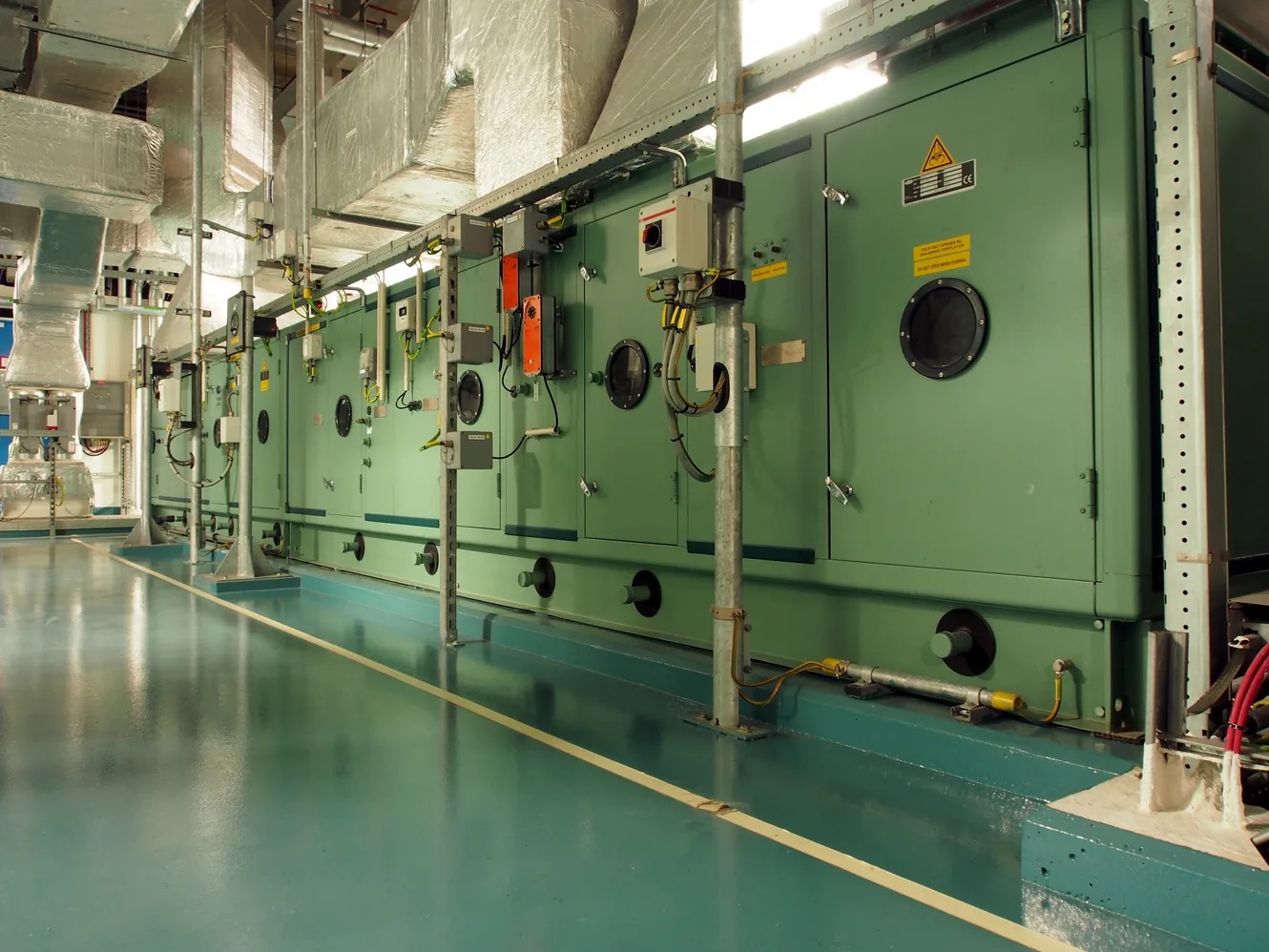
Trusted AC Unit Water Removal for Shawboro Residents
AC Unit Water Removal in Shawboro covers the whole leak, from removing standing water to drying wet materials and repairing drywall or trim afterward. Each step depends on how far the water traveled and how long it sat.
In Shawboro, AC leaks usually show up as ceiling stains under attic units, wet carpet near the furnace closet or water dripping from a vent. Help with AC unit water removal is available across Shawboro and in Gregory, Belcross and Currituck, day or night, with extraction, drain clearing and drying.
Comprehensive AC Unit Water Removal Solutions in Shawboro
Emergency AC Water Removal
Help is available day or night for leaks that start after hours, when water dripping from an attic unit cannot wait until morning.
AC Condensate Drain Clearing
Clearing the line stops the overflow at its source. Without it, the pan refills and the leak returns within days.
Air Conditioner Restoration Services
Work finishes with cleanup and a check that the unit drains properly, so the leak does not return.
AC Drain Pan Water Extraction
A soaked pan in an attic unit is a ceiling leak waiting to happen. Extracting it quickly protects the drywall underneath.
AC Leak Water Extraction
Water is removed from every wet surface the leak reached, including closets and rooms below an attic air handler.
How to Know You Need AC Unit Water Removal in Shawboro
Visible Mold Near AC
Dark spots on drywall or framing near the unit mean the area has stayed wet for days.
AC Drain Pan Overflow
Water at the rim of the drain pan, or in the secondary pan, means the condensate line is blocked.
Water on the Floor
A puddle around the air handler or furnace closet is the most direct sign of a leak.
Wet AC Unit Components
Damp coils, a wet blower compartment or moisture around wiring inside the cabinet mean water is collecting where it should not.
How AC Unit Water Removal Works in Shawboro
Step 1: AC Unit Flood Cleanup
Water is extracted quickly to keep it from soaking into insulation, framing and the ceiling below.
Step 2: Drain Line Diagnosis and Clearing
The drain line is inspected for clogs, sags or loose fittings and cleared so water drains outside.
Step 3: Structural and Unit Drying
Air movers and dehumidifiers run around the unit, with daily moisture checks on walls and floors.
Step 4: System Check and Cleanup
The pan is cleaned, the drain is tested with water and the area is left dry.
Why AC Units Leak and Need Water Removal
Excess Outdoor Humidity
Very humid air makes the coil produce more water than a partly clogged drain can carry.
Clogged AC Condensation Line
Algae and sludge build up in the drain line over a cooling season until water backs up into the pan.
Damaged AC Drain Pan
Metal pans rust through and plastic pans crack with age, letting water drip straight through.
Improper AC Unit Installation
A unit that is not level, or a drain line without enough slope, lets water pool instead of draining.
AC Unit Water Removal Services for All Properties in Shawboro
Residential AC Unit Water Removal
For homeowners, the main risk is water soaking into insulation and drywall where no one sees it. Moisture meters find that hidden water so it can be dried before it causes rot.
Commercial AC Unit Water Removal
For property managers, one leaking unit can affect several suites or the floor below. Each wet area is extracted, dried and documented for the owner and insurer.
When to Hire Local Pros for AC Unit Water Removal in Shawboro
DIY works for a small puddle on tile that you catch right away and wipe dry. Wet carpet and pad, or drywall that feels soft, usually need professional extraction and drying equipment to dry fully.
Understanding AC Unit Water Removal Pricing in Shawboro
In Shawboro, most of the cost comes from extraction, equipment days and any drywall or insulation that has to be replaced. A walk-through sets the scope before work starts.
Preventative Treatment Scope
Antimicrobial treatment is an optional step, priced by the size of the area treated.
Required Drying Time
Dense materials and enclosed spaces take longer to dry, which means more equipment days.
Emergency Service Timing
After-hours and holiday response can cost more than a scheduled weekday visit.
Does Insurance Cover AC Unit Water Removal?
Insurers often ask whether the leak was sudden or ongoing. A record of when the water was found, what it reached and how it was dried helps answer that question.
Benefits of Local Pros for AC Unit Water Removal in Shawboro
Preventative Microbial Treatment
Optional antimicrobial treatment can be applied to wood and drywall that stayed wet for days.
Air Conditioner Restoration Focus
Drywall, trim and ceiling repairs can be handled after drying, so one job covers the whole leak.
24/7 Emergency Response
Help is available any hour, which matters when an attic unit starts leaking into a ceiling at night.
24/7 AC Unit Water Removal for Emergencies in Shawboro
Water from an air handler spreads fast through drywall and carpet. Call (757) 665-2121 for emergency AC unit water removal in Shawboro at any time of the day or night.
Call Now (757) 665-2121AC Unit Water Removal Throughout Shawboro and Beyond
Other places served are listed below, each with its own page.
AC Unit Water Removal FAQ for Shawboro Homeowners
How long does drying take after an AC leak?
Often several days, depending on the materials and how long they were wet. Daily readings track progress.
What are signs I need water removed from around my air conditioner?
Puddles near the unit, ceiling stains, a musty smell, a full drain pan or an AC that shuts off on its own.
What equipment is used to dry AC leak damage?
Extractors, air movers, dehumidifiers and moisture meters, plus wet vacs or pumps for the drain line.
What clogs an AC condensate line?
Algae, sludge, dust and debris build up inside the line, especially over long cooling seasons, until water backs up into the pan.
Why does the drain pan need to be emptied?
A full pan overflows into ceilings and floors. Emptying and inspecting it stops the spill and shows whether the pan is cracked.