Rescue, VA · Isle of Wight County
Desiccant Dehumidification in Rescue, VAWater Damage Dehumidification & Firefighting Water Drying
After a flood, Desiccant Dehumidification in Rescue means flood drying services, emergency dehumidification and water damage dehumidification.
Answered 24/7
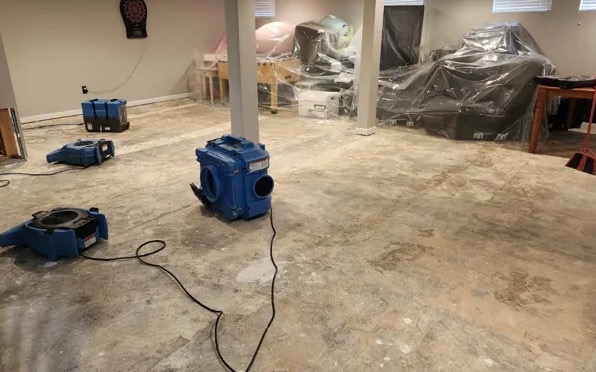
Desiccant Dehumidification: Moisture Control in Rescue
Desiccant dehumidifiers dry air differently from the refrigerant units most people know. Instead of cooling air to condense water, they pass it over a material that absorbs moisture, which lets them keep working in cool spaces and reach very low humidity.
Homes, job sites and commercial buildings in Rescue and nearby Smithfield, Benns Church and Carrollton sometimes need more drying power than standard equipment provides. Help with desiccant dehumidification covers those cases.
Desiccant Dehumidification Methods Used in Rescue
Water Damage Dehumidification
Desiccant or refrigerant dehumidifiers are chosen based on the space, the temperature and how dry the air needs to get.
Firefighting Water Drying
Drying after a fire is done once wet debris is removed, so the structure dries cleanly before rebuilding.
Mold Prevention Drying
Drying an area quickly after affected materials are removed limits regrowth. Desiccant units help reach low humidity in closed work areas.
Crawl Space Drying
Water is removed from the crawl space first, then desiccant drying brings humidity down so the framing can dry.
Emergency Dehumidification
Emergency dehumidification starts as soon as standing water is removed, which limits swelling, warping and odor.
Indicators for Desiccant Dehumidification in Your Rescue Home
Peeling Paint or Wallpaper
Paint or wallpaper that peels after a leak has moisture behind it that has not dried.
Active Mold Spots
Dark spots appearing on walls or ceilings mean materials stayed damp long enough for mold.
Cold, Damp Feeling in Air
Air that feels cold and damp, especially in lower levels, can be too cool for standard dehumidifiers to work well.
Wet Insulation in Attics or Walls
Insulation that is wet in attics or walls holds water against framing and slows drying.
How Desiccant Dehumidification Works in Rescue
Step 1: Emergency Moisture Evaluation
The wet area is mapped and the right size and type of dehumidifier is chosen.
Step 2: High-Capacity Setup
Large desiccant units are placed for big spaces or cool areas where standard units struggle.
Step 3: Active Drying Cycle
Dry air is moved across wet materials, with daily readings to track progress.
Step 4: Completion and Insurance Records
Final readings and daily drying logs are compiled into a record for your insurer.
Typical Moisture Intrusions and Desiccant Dehumidification in Rescue
New Construction Moisture Trapped
New concrete, drywall mud and framing on job sites hold moisture until they are dried.
Plumbing Leaks or Pipe Bursts
Burst pipes and leaking supply lines soak walls and floors that then need drying.
Fire Suppression System Activation
Fire sprinklers and firefighting water soak large areas of a building at once.
Foundation Cracks and Seepage
Foundation cracks let groundwater seep into lower levels, keeping walls and floors damp.
Desiccant Dehumidification for Homes & Businesses in Rescue
Residential Desiccant Dehumidification
Families can usually stay home during drying, though equipment makes steady noise and some areas may be closed off.
Commercial Desiccant Dehumidification
Builders and contractors use desiccant drying to get slabs and drywall ready for flooring and paint on schedule.
Why DIY Falls Short for Desiccant Dehumidification in Rescue
You can run your own dehumidifier and keep the wet room closed. Drying soaked materials in a crawl space or cool lower level usually needs commercial equipment.
Desiccant Dehumidification Cost in Rescue, VA
Large commercial buildings and construction sites in Rescue may need high-capacity units and ducting, which affects the total.
Type of Water Damage
Floodwater and sewage need cleaning and removal of materials before drying, which adds cost.
Access and Complexity
Crawl spaces, tight areas and large buildings take more effort to set up and monitor.
Moisture Saturation Level
Materials that are fully soaked take longer to dry than lightly damp ones.
Does Insurance Cover Desiccant Dehumidification?
Coverage for desiccant dehumidification depends on the cause of the water and your policy. The pros document the drying, and your insurer decides what is covered.
Advantages of Hiring Local Pros in Rescue for Desiccant Dehumidification
Structural Drying
Walls, floors and framing are dried, not just the air in the room.
Damage Assessment
The full affected area is checked, including rooms next to and below the source.
Desiccant Equipment
Desiccant units are used where they fit, such as cool spaces, crawl spaces and large buildings.
Urgent Desiccant Dehumidification Available in Rescue
Crawl space or lower level wet after a storm? Call (757) 665-2121 now for desiccant dehumidification in Rescue before the framing stays damp.
Call Now (757) 665-2121Locations for Desiccant Dehumidification Around Rescue
Drying after water damage also covers homes, job sites and businesses in Smithfield, Benns Church and Carrollton, close to Rescue.
- Desiccant Dehumidification in Smithfield
- Desiccant Dehumidification in Benns Church
- Desiccant Dehumidification in Carrollton
- Desiccant Dehumidification in Crittenden
- Desiccant Dehumidification in Newport News
- Desiccant Dehumidification in Chuckatuck
- Desiccant Dehumidification in Isle of Wight
- Desiccant Dehumidification in Kiln Creek
- Emergency Damage Restoration in 23424
- Storm Damage Restoration in 23424
- Water Damage Restoration in 23424
- Water Extraction Service in 23424
- Water Leak Detection in 23424
- Water Removal Service in 23424
Common Desiccant Dehumidification Questions Answered
What areas can benefit from moisture control services?
Crawl spaces, lower levels, attics, large commercial spaces and any room where materials got wet.
Why use desiccant drying after a fire?
Firefighting water soaks large areas, and high-capacity drying helps remove that moisture once debris is cleared.
What is the goal of flood drying services?
To remove the moisture left after floodwater is pumped out so the building can be cleaned and repaired.
How do rapid drying methods protect my property?
They dry materials before they swell, warp or grow microbes, which keeps repairs smaller.
How does a desiccant dehumidifier work differently?
It passes air over a material that absorbs moisture instead of cooling the air, so it keeps working in cool conditions.