South Mills, NC · Camden County
HVAC Leak Water Removal in South Mills, NCHVAC Drain Line Flood Cleanup & HVAC Cabinet Water Extraction
HVAC Leak Water Removal in South Mills handles coil leak water damage repair, HVAC drain line flood cleanup and moisture remediation for HVAC systems.
Answered 24/7
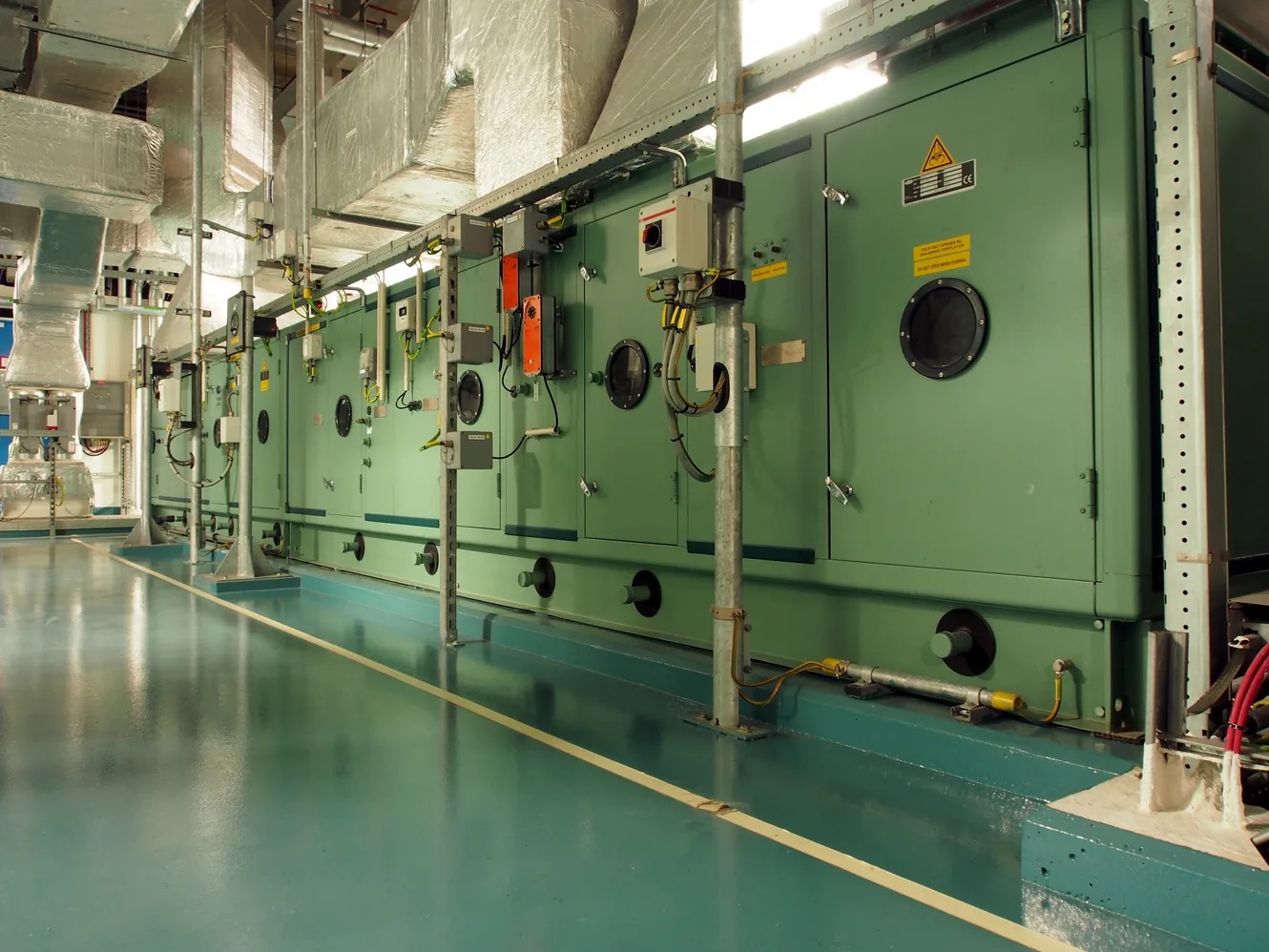
Professional HVAC Leak Water Removal in South Mills, NC
An HVAC leak in South Mills rarely stays at the unit. Water runs out of the pan, across the closet floor and under walls, and attic units drip straight through the ceiling below.
When an HVAC leak occurs in South Mills, water needs to come out quickly to protect interior finishes and electrical systems. Local water removal pros serve this community and nearby areas like Moyock, Elizabeth City and Belcross, extracting water around the unit and drying wet ductwork before damage spreads.
HVAC Leak Water Removal Services in South Mills
HVAC Drain Line Flood Cleanup
A broken drain line can flood a mechanical room or closet. The water is contained and extracted before it reaches flooring and equipment nearby.
HVAC Cabinet Water Extraction
Standing water in the cabinet rusts the pan, panels and fasteners. Getting it out early stops that, and the cabinet is dried before the system runs again.
Coil Leak Water Damage Repair
A leaking evaporator or condenser coil drips water into the system or onto the floor. Repair begins with extracting all moisture.
Wet Insulation Removal Near HVAC
Fiberglass insulation soaked by an HVAC leak becomes heavy and ineffective. Experts carefully remove this material to access hidden moisture.
Ductwork Condensation Water Removal
Cold air inside ducts meeting warm, humid air causes sweating and droplets. Condensation soaks insulation and damages ceiling materials.
Red Flags for HVAC Leak Water Removal in South Mills
Condensation Dripping From Ducts
Water droplets or streaks on metal ductwork mean the ducts are sweating, and the water is landing somewhere below.
Water Puddles Under HVAC Unit
Standing water or persistent dampness around the air handler or furnace cabinet often signals an active HVAC leak.
AC Drain Line Overflowing
Water spilling from the condensate drain line or its overflow port means the drain is blocked and needs attention now.
Mold on Air Handler
Visible mold on the unit, the ducts or nearby drywall usually means water has been there for a while.
How HVAC Leak Water Removal Works in South Mills
Step 1: Emergency Assessment and Water Extraction
Local restoration pros stop the water at the unit and extract the standing water from the cabinet, the closet floor and any wet carpet.
Step 2: System Inspection and Moisture Mapping
Moisture meters and thermal cameras show where water went, including wet insulation and duct sections, and the drying plan is built from that.
Step 3: Targeted Drying and Dehumidification
Air movers and dehumidifiers are placed to dry the walls, ceiling, floor and duct runs that got wet.
Step 4: Cleaning and Final Verification
Affected surfaces and HVAC components are cleaned. Final moisture readings confirm the area is dry.
Common Causes of HVAC Water Damage in South Mills
High Static Pressure in Ducts
An oversized system or closed vents can upset airflow and drainage, so condensate does not drain as it should.
Improper HVAC System Slope
An air handler or drain line installed without correct pitch prevents gravity-driven water flow to the drain.
Clogged Condensate Drain Line
Algae, sludge, or debris blocking the primary drain pipe causes water to back up into the HVAC cabinet.
Worn Gaskets or Seal Failures
Worn seals around access panels or coil sections let water escape the cabinet instead of reaching the pan.
Residential & Commercial HVAC Leak Water Removal in South Mills
Residential HVAC Leak Water Removal
In homes, an AC condensate leak can rot subfloor and baseboards if it is left. The pros dry the tight spaces around the unit and record the damage for insurance.
Commercial HVAC Leak Water Removal
A flooded HVAC unit in a commercial building needs a coordinated response. The pros manage large-volume extraction, coordinate with facility managers, and implement drying protocols.
When DIY Fails for HVAC Leak Water Removal in South Mills
For minor, isolated wet spots on drywall, you can dry the area with fans and dehumidifiers. Puncture small holes at the base for cavity drying. If the leak is ongoing, the stain large, or drywall sagging, professional intervention is critical.
Factors in HVAC Leak Water Removal Cost for South Mills
The cost of HVAC leak cleanup depends on how easy the unit and ducts are to reach. The amount of wet insulation that has to come out is one of the biggest factors.
Leak Source and Severity
Whether the leak came from a drain line, the coil or the pan changes how much water there is and where it went.
Extent of Water Spread
Water from a leaking AC can travel along ducts and inside walls, which makes the drying area larger.
Emergency Service Timing
HVAC leak cleanup started at night, on weekends or on holidays may be billed at a different rate.
Does Insurance Cover HVAC Leak Water Removal?
AC unit water damage coverage hinges on the leak source. Sudden failures like a burst drain line may be covered, while gradual neglect often is not. Homeowners should confirm specifics with their insurer.
Advantages of Local Pros for HVAC Leak Water Removal in South Mills
IICRC-Standard Drying Methods
Drying follows industry standards so the unit area, ducts and walls are dry before the system runs again.
Structured Dehumidification Strategy
Air movers and dehumidifiers are placed to dry the cabinet area and nearby walls without blowing water further.
Comprehensive Leak Source Identification
The pros trace the water to the drain line, coil or pan, so the right trade can fix the cause.
Emergency HVAC Leak Water Removal for South Mills Properties
Water damaged HVAC components risk mold and system failure. For HVAC leak water removal in South Mills, a census-designated place in Camden County, call (757) 665-2121 at any hour.
Call Now (757) 665-2121Areas Served for HVAC Leak Water Removal from South Mills
In South Mills and nearby Moyock, Elizabeth City and Belcross, the pros handle water from HVAC cabinets, drain lines and wet insulation around the unit.
- HVAC Leak Water Removal in Moyock
- HVAC Leak Water Removal in Elizabeth City
- HVAC Leak Water Removal in Belcross
- HVAC Leak Water Removal in Camden
- HVAC Leak Water Removal in Gregory
- HVAC Leak Water Removal in Currituck
- HVAC Leak Water Removal in Corapeake
- HVAC Leak Water Removal in Sunbury
- Emergency Damage Restoration in 27976
- Storm Damage Restoration in 27976
- Water Damage Restoration in 27976
- Water Extraction Service in 27976
- Water Leak Detection in 27976
- Water Removal Service in 27976
HVAC Leak Water Removal Common Questions
What is moisture remediation for HVAC systems?
It means removing excess moisture, drying all components and bringing humidity back to normal levels around the system.
What's the difference between water extraction and drying?
Extraction removes the liquid water. Drying uses dehumidifiers and air movers to pull out the moisture left in insulation, drywall and wood.
What are signs of a leaking AC unit indoors?
Water around the indoor unit, stains on nearby walls or ceilings, a musty smell, or the system shutting off because its float switch tripped.
What happens during coil leak water damage repair?
The pros remove the water and dry the coil area. The coil itself is serviced or replaced by an HVAC contractor to stop the leak.
How long does wet ductwork drying typically take?
It depends on how much water there is and how easy it is to reach. Most jobs take two to four days of drying with commercial equipment.