Mathews, VA · Mathews County
Hydrostatic Pressure Water Removal in Mathews, VAFoundation Crack Water Infiltration & Slab Leak Water Removal
Hydrostatic Pressure Water Removal in Mathews covers groundwater intrusion mitigation, wet subfloor removal and crawl space water extraction.
Answered 24/7
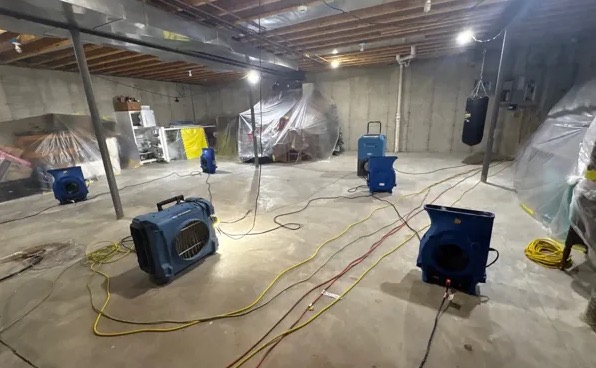
Expert Hydrostatic Pressure Water Removal Serving Mathews, VA
Water that keeps coming up through a slab damages flooring and keeps the lower level damp. Removing it is the water side of the job, and a structural check is a separate step for a contractor.
Detailed Hydrostatic Pressure Water Removal Methods
Foundation Crack Water Infiltration
Water coming through foundation cracks is pushed in by soil pressure. The water that got in is extracted and the area dried, and the crack is noted for a foundation contractor.
Slab Leak Water Removal
For slab leaks in Mathews, structural drying professionals remove the water and dry the slab and flooring above it.
Structural Drying After Intrusion
Drying equipment is placed to pull moisture out of wall cavities, subfloors and framing, not just to dry what you can see.
Groundwater Intrusion Mitigation
Repeated groundwater problems need two steps: remove the water now, then have a contractor look at drainage, grading or downspouts sending water to the foundation.
Slab Seepage Water Removal
When water seeps up through a slab in Mathews, flooring may need to be lifted so the concrete can dry. Pros explain what a foundation specialist should look at.
Signs of Groundwater Intrusion Requiring Hydrostatic Pressure Water Removal
Gurgling Sounds From Floor Drains
Gurgling floor drains during heavy rain can mean water pressure is building in the drain lines around the house.
Spongy or Soft Spots on Floors
Damp spots or lifting flooring on a slab can mean water is coming up from below.
Warped or Buckling Flooring
Flooring that warps or buckles near walls can mean water is coming up from below and the subfloor is wet.
Efflorescence on Concrete Surfaces
White, chalky deposits on foundation walls or the slab show water has been pushing through the concrete.
How Hydrostatic Pressure Water Removal Works in Mathews
Step 1: Source Containment and Control
Where possible, the water source is controlled first, such as redirecting downspouts or stopping a plumbing leak.
Step 2: Crawl Space Water Extraction
Equipment made for tight spaces extracts water from the crawl space so the framing can start drying.
Step 3: Affected Material Removal
Wet insulation and subflooring that cannot be dried are removed and hauled away.
Step 4: Dehumidification and Air Scrubbing
Dehumidifiers and air scrubbers bring humidity down and clear the musty air until the space is dry.
Sources Requiring Hydrostatic Pressure Water Removal
Plumbing Leaks Under the Slab
A broken water line under the slab keeps feeding water up through the floor.
Heavy or Prolonged Rainfall
Long periods of rain soak the soil, and the water presses against the foundation until it finds a way in.
Clogged or Collapsed Footing Drains
When perimeter drains clog or fail, water has nowhere to go and presses against the walls and slab.
Foundation Settlement and Cracks
As a foundation settles, cracks form and give groundwater a direct path inside.
Hydrostatic Pressure Water Removal for All Property Types
Residential Hydrostatic Pressure Water Removal
In homes, groundwater pushed through a wall or slab can soak flooring and drywall. Fast extraction and drying keep the damage from spreading to walls and stored items.
Commercial Hydrostatic Pressure Water Removal
Restaurants, medical offices, and other sensitive environments require meticulous groundwater extraction and sanitization after water intrusion. Specialized water removal pros ensure these spaces meet strict hygiene standards.
Hydrostatic Pressure Water Removal vs. DIY: When to Call the Pros
If you see minor dampness, move valuables and boxes away from the wet walls. If water is standing on the floor or coming through the floor or walls, call (757) 665-2121, since that usually means steady pressure from outside.
Hydrostatic Pressure Water Removal Cost in Mathews, VA
In Mathews County, the cost of foundation water removal depends on the source, such as seepage through a slab or a large crack letting water in.
Material Saturation Level
Deeply soaked subflooring or wet foundation walls need more extraction and dehumidification.
Required Drying Time
The number of days the structure takes to dry is a large part of the cost.
Mitigation Measures
Drainage or waterproofing work to stop water from returning is a separate cost from the water removal.
Does Insurance Cover Hydrostatic Pressure Water Removal?
For water coming up through a slab, coverage often depends on whether the leak was sudden or slow. The professionals record the source and the wet areas, and your insurer decides.
Benefits of Local Pros for Hydrostatic Pressure Issues
Controlled Demolition Protocols
Only subfloor and materials that cannot be dried are removed, which keeps the repair smaller.
Structural Damage Assessment
The pros check where water came in and which materials it reached before drying starts.
Comprehensive Moisture Mapping
Moisture meters find water in subfloors and walls so every wet area gets dried.
Around-the-Clock Help for Hydrostatic Flooding in Mathews
Water forced in through a foundation crack can spread across a floor quickly. Call (757) 665-2121 any time for help with water removal and drying in Mathews.
Call Now (757) 665-2121Areas Served for Hydrostatic Pressure Water Removal Near Mathews
From slab seepage to water through foundation cracks, the professionals work in Mathews and nearby Gwynn, Deltaville and Hartfield.
- Hydrostatic Pressure Water Removal in Gwynn
- Hydrostatic Pressure Water Removal in Deltaville
- Hydrostatic Pressure Water Removal in Hartfield
- Hydrostatic Pressure Water Removal in Gloucester
- Hydrostatic Pressure Water Removal in Achilles
- Hydrostatic Pressure Water Removal in White Marsh
- Hydrostatic Pressure Water Removal in Ordinary
- Hydrostatic Pressure Water Removal in Hayes
- Emergency Damage Restoration in 23109
- Storm Damage Restoration in 23109
- Water Damage Restoration in 23109
- Water Extraction Service in 23109
- Water Leak Detection in 23109
- Water Removal Service in 23109
Hydrostatic Pressure Water Removal FAQs
How does foundation water removal work?
Standing water is extracted, the structure is dried with dehumidifiers and air movers, and the place where water came in is noted.
What are signs of soil pressure water intrusion?
Water seeping where the floor meets the wall, damp foundation walls and ongoing moisture in a crawl space.
Will drying stop water from coming back?
No. Drying fixes the damage that is already there. Keeping water out takes drainage, grading or waterproofing work by a contractor.
How long does drying take after groundwater comes in?
Most jobs take several days of drying. Waterproofing repairs, if needed, are a separate job for a waterproofing contractor.
What does groundwater intrusion mitigation involve?
Removing the water, drying the structure and then, often, drainage or waterproofing work outside by a contractor.