Gregory, NC · Currituck County
Rapid Structural Drying in Gregory, NCStructural Dehumidification & Crawl Space Drying
Rapid Structural Drying in Gregory includes emergency structural drying, moisture mapping services, and flood drying services.
Answered 24/7
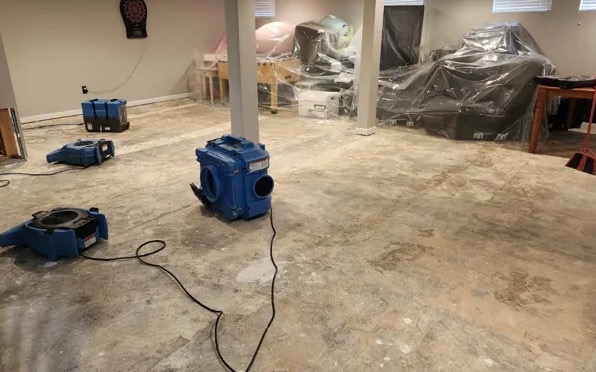
Rapid Structural Drying Solutions in Gregory, North Carolina
Commercial properties have complex building assemblies that require specialized drying strategies. A fast, coordinated response minimizes downtime and limits damage.
Fast structural drying is essential for homes throughout the Gregory area. Local moisture removal experts provide subfloor drying and crawl space drying to protect foundational elements. Services reach neighboring areas including Shawboro, Belcross and Camden for broader support.
Rapid Structural Drying Services in Gregory
Structural Dehumidification
After water extraction, dehumidification tackles the remaining vapor. Structural dehumidification creates a drying gradient, pulling moisture from wet materials into the drier air.
Crawl Space Drying
Drying removes pooled water and addresses residual moisture in soil and joists with a system tailored to the space's size and conditions.
Moisture Mapping Services
Effective drying starts with accurate assessment. Moisture mapping services use penetrating and non-penetrating moisture meters to create a detailed picture of affected areas.
Wall Cavity Drying
Wall cavity drying uses specialized techniques, like injection systems or strategic venting, to circulate dry air into the hidden space.
Emergency Structural Drying
The priority after water damage is rapid drying. Powerful drying systems are then activated to aggressively remove water vapor and protect the building's integrity.
When to Consider Rapid Structural Drying in Gregory
Squeaking or Soft Floor Areas
Unusual noises or soft spots when walking indicate compromised subflooring from water damage that needs assessment.
Soggy or Spongy Drywall
Drywall that feels soft to the touch has absorbed a lot of water and needs drying right away.
Damp Spots on Concrete Floors
Persistent dampness on a concrete slab can leave white mineral deposits and loosen flooring adhesive.
Musty Odors in Your Home
A musty smell that will not go away usually means moisture is trapped inside walls or under floors.
How Rapid Structural Drying Works in Gregory
Step 1: Water Extraction and Containment
The process begins with extracting any standing water, then containing the affected area to prevent moisture migration to dry parts of the building.
Step 2: Professional Drying Equipment Deployment
Powerful desiccant and refrigerant dehumidifiers are deployed alongside air movers to aggressively remove moisture from the air and building materials.
Step 3: Focused Crawl Space and Slab Drying
Hard areas get specific methods, such as ducted air for crawl spaces and floor mats for concrete slabs.
Step 4: Final Moisture Validation and Documentation
Final moisture readings are taken and documented with photos and reports for your insurer, confirming the structure is dry and stable.
How Water Damage Leads to Rapid Structural Drying in Gregory
Landscaping or Grading Problems
Improper yard slope can direct water toward a foundation, leading to persistent dampness in slabs and crawl spaces.
Severe Weather and Flooding
Heavy rainfall or localized flooding can overwhelm drainage, leading to water intrusion.
Appliance Malfunctions and Leaks
Faulty water heaters, washing machines, or dishwashers can leak slowly, causing hidden damage in walls and floors over time.
Overflowing Sinks or Bathtubs
A bathroom overflow can send water under flooring and into wall cavities, where it stays hidden.
Residential and Commercial Rapid Structural Drying in Gregory
Residential Rapid Structural Drying
Subfloor drying preserves the stability of residential floors. Water damage pros use injectidry systems and floor mat drying to extract moisture from between joists without removing the finished flooring above.
Commercial Rapid Structural Drying
Restaurants and hotels need kitchen subfloors and guest room walls dried quickly. The pros use commercial extraction and drying equipment and work around service hours.
The Risks of Attempting Rapid Structural Drying Yourself
You can use a wet-dry vacuum to remove standing water from hard surface floors. Be sure to document the damage with photos for your insurance claim.
Factors Influencing Rapid Structural Drying Costs
Several factors determine rapid structural drying cost for a home in Gregory. The primary considerations are the square footage affected and the complexity of accessing wet structural components like crawl spaces or concrete slabs.
Access and Complexity
Difficult-to-reach areas like tight crawl spaces or behind finished walls add labor time to the emergency structural drying process.
Extent of Water Damage
The square footage and depth of saturation in materials like drywall and subflooring directly impact the drying time and equipment needed.
Secondary Damage Prevention
Efforts to prevent mold growth during the drying process, such as applying antimicrobials, can be a factor in the service cost.
Does Insurance Cover Rapid Structural Drying?
Whether residential structural drying is covered depends on your insurer's interpretation of the cause. You are responsible for filing the claim and discussing coverage specifics with your insurance agent.
The Importance of Expert Rapid Structural Drying
Advanced Moisture Detection
Tools like thermal imagers and moisture meters are used for accurate moisture mapping to find hidden water.
Industrial-Grade Drying Equipment
High-capacity air movers and dehumidifiers dry crawl spaces and concrete slabs, which hold water longest.
Water Mitigation Drying Expertise
The approach is part of a complete water mitigation process to stabilize the property quickly.
24/7 Emergency Rapid Structural Drying in Gregory
Don't wait for hidden moisture in crawl spaces or concrete slabs to cause more damage. For emergency structural drying and dehumidification, call (757) 665-2121 at any hour to get started.
Call Now (757) 665-2121Local Rapid Structural Drying Coverage Area
Other places served are listed below, each with its own page.
Common Queries About Structural Drying
When is crawl space drying necessary?
Crawl space drying is necessary when flooding or high humidity saturates this enclosed area, as trapped moisture can damage foundation piers, joists, and lead to mold growth throughout the home.
How long does concrete slab drying typically take?
Concrete slab drying time varies with thickness and saturation but often takes several days, as dense concrete releases moisture slowly, requiring sustained use of industrial dehumidifiers and air circulation.
Why is wall cavity drying important after a leak?
Water trapped inside wall cavities can lead to hidden mold, wood rot, and compromised insulation.
What are moisture mapping services?
Moisture mapping services involve using meters and sensors to create a visual record of moisture levels throughout a structure, guiding the drying process and verifying when materials are dry.
What is involved in subfloor drying?
Subfloor drying involves using specialized air movers and dehumidifiers to draw moisture out of the wooden or concrete layer beneath flooring, often requiring access panels or strategic placement of equipment.