Knotts Island, NC · Currituck County
Rapid Structural Drying in Knotts Island, NCWall Cavity Drying & Moisture Mapping Services
Rapid Structural Drying in Knotts Island involves emergency structural drying, wall cavity drying, and flood drying services from restoration pros.
Answered 24/7
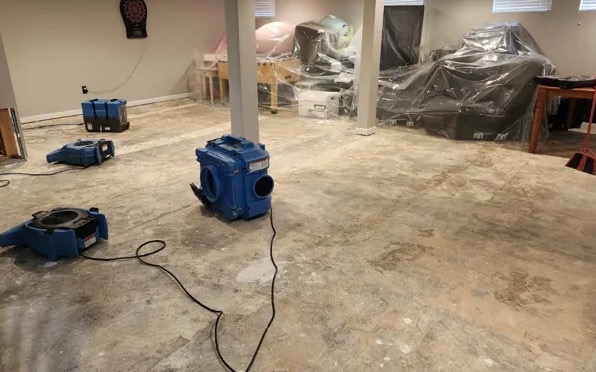
Reliable Rapid Structural Drying Available in Knotts Island
Concrete slabs, subfloors and wall studs all absorb moisture at different rates. Incomplete drying leaves residual dampness that weakens structures over time.
Residential structural drying in Knotts Island focuses on protecting family homes from water-related deterioration. The experts perform flood drying services and moisture mapping services as part of a full response. Coverage includes areas around Currituck, Barco and Corolla for convenient access.
Tailored Rapid Structural Drying for Knotts Island
Wall Cavity Drying
Wall cavity drying uses specialized techniques, like injection systems or strategic venting, to circulate dry air into the hidden space.
Moisture Mapping Services
Effective drying starts with accurate assessment. Moisture mapping services use penetrating and non-penetrating moisture meters to create a detailed picture of affected areas.
Flood Drying Services
Major flooding requires comprehensive drying strategies. The process scales up extraction and drying equipment to manage the volume of water involved, focusing on structural integrity first.
Structural Dehumidification
Dehumidification is the engine that drives the structural drying process. It involves calculating the space's cubic volume and moisture load to select the right capacity equipment.
Concrete Slab Drying
Concrete slabs retain moisture long after surface water is gone, leading to efflorescence and flooring adhesive failure.
When Rapid Structural Drying is needed
Soggy or Spongy Drywall
Drywall that feels soft to the touch has absorbed a lot of water and needs drying right away.
Musty Odors in Your Home
A musty smell that will not go away usually means moisture is trapped inside walls or under floors.
High Indoor Humidity Levels
A clammy feeling in the air suggests elevated moisture that structural dehumidification equipment is designed to correct.
Mold Growth on Baseboards
Mold appearing along floor edges often points to hidden moisture in wall cavities or subfloors needing extraction.
How Rapid Structural Drying Works in Knotts Island
Step 1: Water Extraction and Containment
The process begins with extracting any standing water, then containing the affected area to prevent moisture migration to dry parts of the building.
Step 2: Professional Drying Equipment Deployment
Powerful desiccant and refrigerant dehumidifiers are deployed alongside air movers to aggressively remove moisture from the air and building materials.
Step 3: Focused Crawl Space and Slab Drying
Hard areas get specific methods, such as ducted air for crawl spaces and floor mats for concrete slabs.
Step 4: Final Moisture Validation and Documentation
Final moisture readings are taken and documented with photos and reports for your insurer, confirming the structure is dry and stable.
What Leads to Needing Rapid Structural Drying
Poor Ventilation in Enclosed Spaces
Inadequate airflow in crawl spaces or wall cavities traps moisture, promoting rot and mold that experts must address.
Severe Weather and Flooding
Heavy rainfall or localized flooding can overwhelm drainage, leading to water intrusion.
Clogged Gutters and Downspouts
When gutters overflow, water pools against the foundation and can seep into crawl spaces, slabs and lower walls.
Burst Pipes or Plumbing Failures
A burst pipe can release hundreds of gallons, soaking drywall, subfloors and framing well beyond the room where it broke.
Both Home and Business Rapid Structural Drying
Residential Rapid Structural Drying
Homes have drywall and hardwood that can often be saved if dried quickly. Pros dry wall cavities in place to avoid tearing out finishes.
Commercial Rapid Structural Drying
In commercial settings, structural drying addresses complex building systems. The experts handle large open spaces, server rooms, and retail floors, using structural dehumidification to meet strict dryness standards for safety and reopening.
Rapid Structural Drying vs. DIY: When to Call Moisture Removal Experts
You can use a wet-dry vacuum to remove standing water from hard surface floors. Be sure to document the damage with photos for your insurance claim.
Rapid Structural Drying Cost in Knotts Island, NC
Residential structural drying cost in Knotts Island hinges on how quickly water is extracted and how many air movers and dehumidifiers are deployed. Drying a subfloor or crawl space also changes the price.
Access and Complexity
Difficult-to-reach areas like tight crawl spaces or behind finished walls add labor time to the emergency structural drying process.
Affected Structural Materials
Drying dense materials like concrete slabs or enclosed wall cavities demands specialized techniques and longer durations than drying open areas.
Secondary Damage Prevention
Efforts to prevent mold growth during the drying process, such as applying antimicrobials, can be a factor in the service cost.
Does Insurance Cover Rapid Structural Drying?
Coverage for rapid structural drying depends on the insurance policy and the cause of loss. The homeowner should submit this documentation to their insurer, as coverage decisions belong solely to the insurer.
Advantages of Hiring Local Experts in Knotts Island
Advanced Moisture Detection
Tools like thermal imagers and moisture meters are used for accurate moisture mapping to find hidden water.
Water Mitigation Drying Expertise
The approach is part of a complete water mitigation process to stabilize the property quickly.
Detailed Documentation for Claims
Comprehensive logs of moisture readings and photos are taken to document the damage for insurance purposes.
24/7 Emergency Rapid Structural Drying in Knotts Island
Don't wait for hidden moisture in crawl spaces or concrete slabs to cause more damage. For emergency structural drying and dehumidification, call (757) 665-2121 at any hour to get started.
Call Now (757) 665-2121Rapid Structural Drying for Knotts Island, Currituck, Barco and Corolla
Effective rapid structural drying protects the integrity of buildings in Knotts Island. The experts provide specialized drying for affected areas, offering services to Knotts Island and surrounding communities including Currituck, Barco and Corolla.
- Rapid Structural Drying in Currituck
- Rapid Structural Drying in Barco
- Rapid Structural Drying in Corolla
- Rapid Structural Drying in Shawboro
- Rapid Structural Drying in Moyock
- Rapid Structural Drying in Belcross
- Rapid Structural Drying in Camden
- Rapid Structural Drying in South Mills
- Emergency Damage Restoration in 27950
- Storm Damage Restoration in 27950
- Water Damage Restoration in 27950
- Water Extraction Service in 27950
- Water Leak Detection in 27950
- Water Removal Service in 27950
Frequently Asked Rapid Structural Drying Questions
What areas of a home need structural moisture removal?
Structural moisture removal often targets concealed areas like behind walls, under floors, within ceiling cavities, and in support beams where water can linger and cause hidden damage.
What is the goal of commercial structural drying?
The goal of commercial structural drying is to quickly restore a safe, dry environment for business operations by removing moisture from building materials and contents to prevent long-term damage.
What happens if wall cavity drying is delayed?
Delayed wall cavity drying allows moisture to promote mold growth inside walls, degrade insulation, and potentially weaken drywall or wooden studs, leading to more extensive and invasive repairs.
What equipment is used for water mitigation drying?
Water mitigation drying utilizes industrial air movers for evaporation, high-capacity dehumidifiers to remove vapor, and moisture meters to monitor progress throughout the structural drying process.
What is rapid structural drying?
Rapid structural drying is a focused water mitigation process using industrial equipment to quickly remove moisture from building materials like walls, floors, and substructures to prevent further damage.