Franklin, VA · Franklin City
Septic Tank Backup Water Removal in Franklin, VASeptic System Water Damage Repair & Septic Backup Flood Water Removal
Septic Tank Backup Water Removal in Franklin requires immediate septic tank backup water extraction, septic backup sewage cleanup, and septic system water damage repair by local septic backup water extraction experts.
Answered 24/7
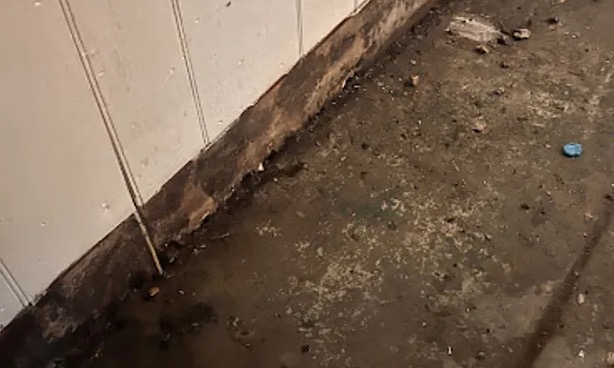
Septic Tank Backup Water Removal Specialists Serving Franklin
Septic line backup water removal in Franklin is crucial because the backup source might be deep in the system, requiring expertise to diagnose and address. Incorrect cleanup can lead to repeat overflows and further property damage.
Septic tank backup water removal services in Franklin are vital for homes that rely on septic systems, which can fail due to blockages or heavy use. Properties in nearby areas like Carrsville, Sedley and Courtland also face similar risks from septic overflows.
Septic Tank Backup Water Removal Services in Franklin
Septic System Water Damage Repair
Repair work addresses structural components like floor joists or wall studs compromised by contaminated water. Repairs follow once the area is clean and dry.
Septic Backup Flood Water Removal
The experts in Franklin extract all contaminated liquid using high-volume pumps and vacuums. Early action helps contain the damage.
Emergency Septic Backup Response
For a septic backup emergency, the pros respond day or night to start the extraction and cleanup process.
Septic Overflow Decontamination
For a septic overflow, the pros perform a full decontamination to neutralize biohazards. This service prepares the structural materials for any necessary repairs or reconstruction work.
Septic Tank Drain Backup Cleanup
The experts use equipment designed to handle the challenging nature of this contaminated water. This specialized cleanup addresses the solids and organic waste that have backed up into drains.
When to Call for Septic Tank Backup Water Removal in Franklin
Gurgling Sounds From Plumbing Vents
Bubbling or gurgling noises from roof vents or inside drains often precede visible septic tank flooding. Air is trapped by a blockage in the line.
Sewage Backup in Bathtub or Shower
Wastewater surfacing in tubs or showers, particularly on lower floors, is a dire warning of a main line septic backup cleanup emergency.
Sewage Visible in Cleanout Pipe
If you check the main sewer cleanout and find standing wastewater, your septic system overflow water removal must be addressed by the experts.
Drains Back Up After Heavy Rain
Drains that back up after storms often mean the drain field is saturated and the tank cannot drain.
How Septic Tank Backup Water Removal Works in Franklin
Step 1: Septic Overflow Response
Local pros respond day or night and assess how far the septic water has spread.
Step 2: Septic System Water Removal
Extraction equipment removes the contaminated liquid quickly and limits the health hazard.
Step 3: Comprehensive Sewage Cleanup
Sanitizing and odor removal follow, so the space is fully decontaminated before drying.
Step 4: Repair and Documentation
The damage is documented for your insurer, and repairs address any structural harm from the backup.
Frequent Sources of Septic System Water Damage
Excessive Water Usage Overloading System
Too much water entering the tank at once can overwhelm it and send sewage back into the home.
Damaged or Collapsed Drain Field
When the drain field fails, water has nowhere to go and backs up into the house again and again.
Compacted Soil Over the Drain Field
Heavy vehicles or structures parked above the leach field prevent proper drainage. This compaction causes backups.
Flushing Non-Biodegradable Items
Wipes, hygiene products and grease build up in pipes and cause stubborn clogs that push sewage back inside.
Septic Tank Backup Water Removal for Any Property in Franklin
Residential Septic Tank Backup Water Removal
Sewage smell can linger in a home after a septic backup. After cleanup, the pros remove the source, use air scrubbers and seal stained surfaces if the odor stays.
Commercial Septic Tank Backup Water Removal
For hotels or rental properties, a septic backup threatens reputation and revenue. Septic system water damage repair professionals work to rectify the plumbing issue and restore guest rooms or common areas with minimal downtime and thorough sanitization.
Why Septic Tank Backup Water Removal Requires Professional Local Experts
For ongoing maintenance, you can schedule regular septic tank pumping every 3-5 years and avoid flushing non-degradables. If you experience recurring slow drains, a professional camera inspection is wise.
Cost Considerations for Septic Tank Backup Water Removal in Franklin
Your septic backup cleanup cost depends on how much sewage must be removed and the hours of labor needed.
Decontamination Procedures
Thorough septic overflow decontamination involves specialized antimicrobial agents and cleaning processes, which contribute to the overall material and labor costs.
Required Water Extraction
The amount of sewage to remove sets the number of pumps and the time needed on site.
Structural Repairs
Any necessary septic system water damage repair, such as replacing subflooring or wall structures, is a separate line item in the restoration process.
Does Insurance Cover Septic Tank Backup Water Removal?
Whether insurance covers septic backup sewage cleanup depends on your policy's language regarding sewer or septic line backups. Some policies require a specific rider or endorsement for this type of water damage.
The Value of Local Experts in Franklin
Comprehensive Sewage Cleanup
Every surface touched by septic backup receives a thorough cleaning with EPA-registered agents to eliminate contamination risks.
Methodical Drying Process
After extraction, industrial air movers and dehumidifiers ensure the area is dried to prevent secondary mold damage.
IICRC-Standard Decontamination
Septic overflow decontamination follows industry protocols to neutralize harmful pathogens and bacteria, making the affected area safe again.
24/7 Emergency Septic Tank Backup Water Removal in Franklin
A septic tank flood can cause extensive damage and health risks. Do not wait; call (757) 665-2121 for 24/7 emergency extraction and cleanup from the pros.
Call Now (757) 665-2121Septic Tank Backup Water Removal Available Around Franklin
A septic backup can happen in any home on a septic system in Franklin. Help is available here and in nearby communities like Carrsville, Sedley and Courtland.
- Septic Tank Backup Water Removal in Carrsville
- Septic Tank Backup Water Removal in Sedley
- Septic Tank Backup Water Removal in Courtland
- Septic Tank Backup Water Removal in Newsoms
- Septic Tank Backup Water Removal in Windsor
- Septic Tank Backup Water Removal in Whaleyville
- Septic Tank Backup Water Removal in Boykins
- Septic Tank Backup Water Removal in Ivor
- Emergency Damage Restoration in 23851
- Storm Damage Restoration in 23851
- Water Damage Restoration in 23851
- Water Extraction Service in 23851
- Water Leak Detection in 23851
- Water Removal Service in 23851
Your Septic Tank Backup Water Removal Questions Addressed
How do pros document septic system water damage?
They use moisture meters, thermal imaging cameras, and photography to map affected areas, creating a detailed report for your records and potential insurance claim submission.
How is septic tank drain backup cleanup performed?
Specialists clear the drain line if possible, then extract standing water and meticulously clean all fixtures and surfaces that came into contact with the contaminated backup.
What happens during septic tank water extraction?
Powerful submersible pumps and truck-mounted extractors are used to remove the bulk of the contaminated liquid from the property, which is the first critical step in the restoration process.
What equipment is used for septic backup odor removal?
Air scrubbers with HEPA filters, ozone generators, thermal foggers, or hydroxyl machines are employed to neutralize odor-causing compounds in the air and within porous materials.
What's the risk of untreated septic tank drain backup?
Untreated backups pose significant health risks from bacteria and viruses, cause permanent structural damage, and lead to pervasive mold infestations, greatly increasing repair costs later.