Nags Head, NC · Dare County
Temperature-Controlled Drying in Nags Head, NCThermal Drying For Water Damage & Air Mover Placement For Drying
Temperature-Controlled Drying in Nags Head by local temperature-controlled drying specialists addresses thermal drying for water damage, climate-controlled drying systems, and moisture mapping to restore property.
Answered 24/7
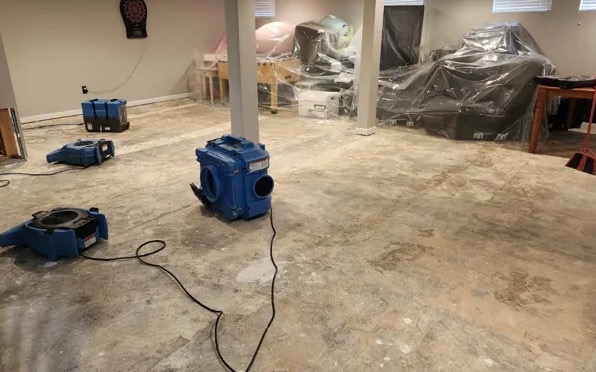
Local Temperature-Controlled Drying Solutions for Nags Head Homes
In Nags Head, structural drying aims to bring materials back to their normal moisture level. Low humidity in the drying area helps pull moisture out of dense materials.
In Nags Head and nearby Manteo, Kill Devil Hills and Kitty Hawk, local pros map moisture in walls and subfloors, then fit thermal drying and humidity control to the materials in the building.
Advanced Temperature-Controlled Drying Techniques in Nags Head
Thermal Drying for Water Damage
Controlled heat speeds up drying of wet materials in Nags Head, which helps prevent swelling wood and failed flooring adhesive.
Air Mover Placement for Drying
Local temperature-controlled drying specialists plan placement around furniture and walls, and may build air dams or blow air into cavities to cut drying time in Nags Head homes.
Climate-Controlled Drying Systems
Dehumidifiers and air movers keep the air in a contained space warm and dry, so moisture moves out of materials faster.
Humidity Control for Restoration
The specialists size dehumidifiers from the moisture map, then pair them with air movers to carry moisture away from materials.
Moisture Mapping
The specialists take moisture readings at many points and depths to map every wet area and set drying goals, so nothing is missed.
Warning Signs Requiring Temperature-Controlled Drying in Nags Head
High Humidity Readings Inside
A hygrometer showing unusually high indoor humidity after water damage means the building is still wet.
Soft Drywall or Sagging Ceiling
Drywall feels spongy to the touch or a ceiling sags downward. This softness means the material is saturated and structurally compromised.
Condensation on Windows or Surfaces
Excess humidity causes water droplets to form on cold surfaces. This condensation confirms the indoor air has too much moisture.
Visible Mold Growth in Corners
Black, green or white specks in damp corners or on baseboards are usually mold, which means moisture has been there a while.
How Temperature-Controlled Drying Works in Nags Head
Step 1: Establishing the Drying Environment
The first step involves preparing the area by removing debris and setting up containment if needed.
Step 2: Implementing the Drying Array
Air movers and dehumidifiers are paired in a planned layout to dry walls and floors.
Step 3: Executing Temperature-Controlled Drying
The system executes temperature-controlled drying, maintaining ideal conditions to draw moisture out of materials.
Step 4: Final Verification and Documentation
Final verification compares moisture readings in affected materials to known dry standards in the home.
Typical Reasons for Drying Needs in Nags Head
Undetected Plumbing Leaks
A slow drip behind a wall or under a slab saturates materials over time.
Overflowing Sinks or Bathtubs
A simple blockage or forgetfulness leads to an overflow event. Water spreads quickly, soaking cabinetry and flooring, and requires thorough drying equipment deployment.
Poor Ventilation After a Flood
Closing up a wet room traps humid air, which slows drying and lets moisture soak further into materials.
Appliance Malfunction or Overflow
A failed washing machine hose, water heater or dishwasher can release many gallons onto the floor.
Whole-Property Temperature-Controlled Drying in Nags Head
Residential Temperature-Controlled Drying
Residential restoration focuses on saving personal items and preventing long-term odors in living areas and bedrooms. The specialists employ thermal drying for water damage to gently yet effectively dry contents and building materials.
Commercial Temperature-Controlled Drying
In commercial settings, uncontrolled humidity can damage sensitive electronics, documents, and finished goods. The pros implement humidity control for restoration to create optimal drying conditions for diverse materials.
Temperature-Controlled Drying: DIY Risks vs. Professional Care in Nags Head
Photograph all affected areas and items for insurance and move undamaged belongings to a dry room. Drying the structure takes industrial equipment that DIY gear cannot replace.
Investing in Professional Temperature-Controlled Drying in Nags Head
In Nags Head, the main price factors are how long drying takes and which equipment, such as heaters or desiccants, is used.
Drying Time Required
Longer drying periods for climate-controlled systems mean more equipment runtime and monitoring, impacting the overall cost of the restoration project.
Structural Material Types
Porous materials like concrete or dense wood require more aggressive drying strategies and extended monitoring, influencing the project timeline and cost.
Documentation Requirements
Detailed drying logs and moisture reports for insurance take extra time to prepare.
Does Insurance Cover Temperature-Controlled Drying?
The specialists keep moisture readings and drying logs to support a claim. Policies differ, so verify coverage with your insurance representative.
Benefits of Local Specialists for Temperature-Controlled Drying in Nags Head
Advanced Moisture Mapping
Moisture meters and thermal cameras find hidden wet pockets so every affected material is dried.
Structural Drying
The focus is on quickly extracting moisture from structural components to minimize warping, swelling, or the potential for mold growth.
Strategic Equipment Deployment
Air movers and dehumidifiers are placed according to a plan for even airflow and low humidity.
24/7 Temperature-Controlled Drying for Emergencies in Nags Head
For temperature-controlled drying after a leak or flood, call (757) 665-2121 any time. Local pros can then start drying the structure.
Call Now (757) 665-2121Temperature-Controlled Drying in Nags Head and Other Areas Served
Other places served are listed below, each with its own page.
- Temperature-Controlled Drying in Manteo
- Temperature-Controlled Drying in Kill Devil Hills
- Temperature-Controlled Drying in Kitty Hawk
- Temperature-Controlled Drying in Harbinger
- Temperature-Controlled Drying in Duck
- Temperature-Controlled Drying in Powell's Point
- Temperature-Controlled Drying in Jarvisburg
- Temperature-Controlled Drying in Grandy
- Emergency Damage Restoration in 27959
- Storm Damage Restoration in 27959
- Water Damage Restoration in 27959
- Water Extraction Service in 27959
- Water Leak Detection in 27959
- Water Removal Service in 27959
Common Temperature-Controlled Drying Questions Answered
What are water damage drying logs used for?
Drying logs are detailed records of moisture readings, equipment settings, and progress; they provide documentation for the restoration process and are often required for insurance claims.
What happens if hidden moisture is not found during mapping?
Undetected moisture can lead to ongoing deterioration, odor issues, and mold growth inside walls or under floors, underscoring the critical need for thorough initial assessment.
Is temperature-controlled drying safe for electronics or artwork?
Yes, when the pros use low heat and careful humidity control, it can be safe for drying sensitive materials and belongings.
How is drying progress verified during moisture monitoring?
Progress is verified by taking comparative moisture readings with penetrating and non-penetrating meters over time, ensuring levels drop to established dry standards for each material.
How does thermal drying for water damage work?
Thermal drying applies carefully managed heat to increase the evaporation rate of moisture trapped within materials, accelerating the drying process while monitored to prevent damage.