Shawboro, NC · Currituck County
Tile Floor Water Damage Restoration in Shawboro, NCTile Floor Drying Services & Water Under Tile Flooring Removal
Tile Floor Water Damage Restoration in Shawboro starts with tile floor water extraction, wet tile floor cleanup, and tile floor water damage repair.
Answered 24/7
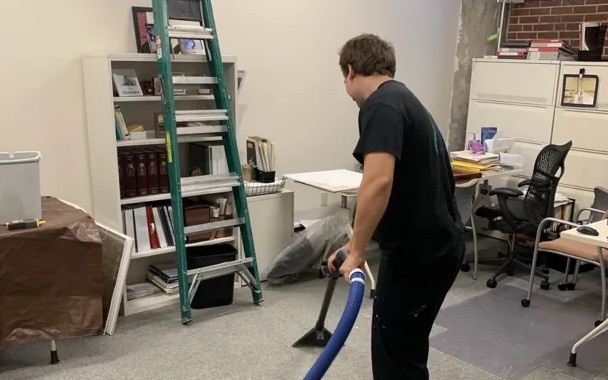
Tile Floor Water Damage Restoration Response in Shawboro, NC
Tile floor water damage in Shawboro demands a response that considers both the visible tile and the hidden layers. Delays can increase the tile floor water damage cost significantly due to expanded repairs.
Across Shawboro and nearby places like Gregory, Belcross and Currituck, water damaged tile floors need expert care to restore their appearance and function. The tile floor water damage cost can escalate if moisture isn't fully removed.
Tile Floor Water Damage Restoration Services in Shawboro
Tile Floor Drying Services
Following water removal, air movers and dehumidifiers are deployed. This drying phase addresses moisture held in grout and underlayment materials.
Water Under Tile Flooring Removal
When water migrates under the tile surface, standard extraction isn't enough. Experts assess the situation and use methods like vacuum mat systems to draw moisture up through the grout lines.
Wet Tile Floor Cleanup
The cleanup phase addresses both visible soiling and microscopic contamination. Experts scrub and disinfect the tile surface, paying close attention to porous grout.
Tile Floor Moisture Inspection
A moisture inspection charts water penetration under the tile layer. Meter readings help define the damage scope in Shawboro homes.
Flooded Tile Floor Restoration
Restoring a flooded tile floor involves addressing both surface and subsurface damage. Specialists work methodically to mitigate loss, dry all materials, and execute necessary repairs.
How to Know You Need Tile Floor Water Damage Restoration in Shawboro
Mold Spots on Grout Lines
Black, green or gray specks along grout lines are mold, which means moisture is staying in the floor.
Tiles Are Loose or Shifting
Tiles that rock underfoot or come loose have lost their bond, usually because water got under them.
Efflorescence on Tile Surface
A white, powdery residue on tiles is efflorescence, a mineral deposit left by evaporating water. It signals previous moisture issues that need addressing.
Squeaking Sounds When Walking
Squeaks or creaks from a tile floor when walked upon can mean the underlayment is compromised by water. This is a subtle sign of water damage.
How Tile Floor Water Damage Restoration Works in Shawboro
Step 1: Initial Damage Assessment
The Tile Floor Water Damage Restoration process starts with a detailed assessment to determine the source, extent, and category of water affecting the tile floor and subfloor.
Step 2: Water Removal and Cleanup
All standing water is extracted, followed by wet tile floor cleanup of debris and contaminants.
Step 3: Structural Drying Phase
Specialized drying equipment creates airflow and controls humidity to methodically remove moisture from the tile installation system and prevent warping.
Step 4: Verification and Final Repair
Final moisture readings verify dryness. Any compromised tiles are then addressed with matching replacements, completing the flooded tile floor restoration.
Sources of Water Damage for Tile Floor Water Damage Restoration
Appliance Leaks and Malfunctions
Dishwashers, washing machines, water heaters, and refrigerators with ice makers can leak slowly, saturating the subfloor beneath adjacent tile flooring over time.
Toilet Overflows and Seal Failures
A clogged toilet or a failed wax ring seal lets water spill onto the bathroom floor and seep under the tile.
Overflowing Sinks or Tubs
An overflowing bathroom sink, shower, or bathtub can send large volumes of water across a tile floor, seeping into grout and underneath the tiles.
Natural Flooding Events
Heavy rain or flash floods can push water into a home and across tiled floors.
Tile Floor Water Damage Restoration for Homes and Businesses in Shawboro
Residential Tile Floor Water Damage Restoration
Homeowners face tile floor water damage from appliance leaks, toilet overflows, and plumbing failures. The restoration process involves careful tile floor moisture inspection to map the damage, followed by targeted drying to save the installation.
Commercial Tile Floor Water Damage Restoration
Restaurants, gyms and clinics need tile floors dried quickly. Local floor drying specialists use commercial equipment to pull moisture from under the tile so the space can reopen.
Professional Tile Floor Water Damage Restoration or DIY Cleanup in Shawboro
Monitoring the area for returning dampness or new odors over several days is a prudent DIY follow-up. If problems persist, it indicates hidden moisture. For definitive resolution and to prevent long-term issues like subfloor rot, contact the specialists for tile floor water damage restoration.
Factors Affecting Tile Floor Water Damage Restoration Cost in Shawboro
The cost for flooded tile floor restoration depends on the water source category, the specific flooring materials involved, and the accessibility of the damaged area for the necessary work.
Water Source Category
Clean water from a supply line is simpler to address than contaminated flood water, affecting the tile floor cleanup process.
Access and Obstructions
Furniture removal and confined spaces can extend the timeline for tile floor water extraction and impact pricing.
Extent of Damage
The square footage of water damaged tile floors and depth of saturation directly influence the restoration scope and cost.
Does Insurance Cover Tile Floor Water Damage Restoration?
Tile floor mold prevention costs may be covered if the mold results from a water loss event included in your policy. Pros provide documentation linking the moisture issue to the initial damage.
The Value of Local Floor Drying Specialists for Tile Floor Water Damage Restoration
Structural Integrity Consideration
The subfloor is checked before tile repairs, so new tile goes down on a sound base.
Focused Drying Strategy
A targeted approach for tile floor drying services addresses both the surface and the subfloor to prevent warping.
24/7 Emergency Response
Help is available any time to begin the tile floor water damage process and limit secondary issues.
24-Hour Emergency Tile Floor Water Damage Restoration in Shawboro
Flooded tile floor restoration starts with an emergency call to (757) 665-2121. The pros are available around the clock to initiate the water extraction process.
Call Now (757) 665-2121Tile Floor Water Damage Restoration Service Area Including Shawboro
Each place listed below has its own page with local details.
- Tile Floor Water Damage Restoration in Gregory
- Tile Floor Water Damage Restoration in Belcross
- Tile Floor Water Damage Restoration in Currituck
- Tile Floor Water Damage Restoration in Barco
- Tile Floor Water Damage Restoration in Camden
- Tile Floor Water Damage Restoration in Tabb
- Tile Floor Water Damage Restoration in Chuckatuck
- Tile Floor Water Damage Restoration in Corolla
Tile Floor Water Damage Restoration FAQ for Shawboro Residents
What causes tile floor moisture issues?
Common causes include appliance leaks like from dishwashers, plumbing failures such as burst pipes, overflow incidents from sinks or tubs, or groundwater intrusion through cracks in the foundation.
How is a tile floor moisture inspection conducted?
Pros use non-invasive moisture meters and thermal imaging to detect hidden dampness in the tile, grout, and the underlying substrate.
What affects tile floor water damage cost the most?
Primary cost factors are the size of the affected area, the depth and duration of saturation, and the complexity of the required drying setup.
What tools are used for tile floor water damage inspection?
Inspections utilize tools like moisture meters, hygrometers, thermal imaging cameras, and sometimes borescopes to accurately assess both visible and concealed water damage within the flooring assembly.
How long does the tile floor water damage process take?
Drying typically takes 2-5 days, but the full timeline depends on the extent of damage, materials, and environmental conditions in the home.