Duck, NC · Dare County
Water Damage Assessment in Duck, NCDrying Equipment Plan Development & Hidden Water Damage Inspection
Water Damage Assessment in Duck includes water leak source detection, moisture mapping, and structural damage inspection.
Answered 24/7
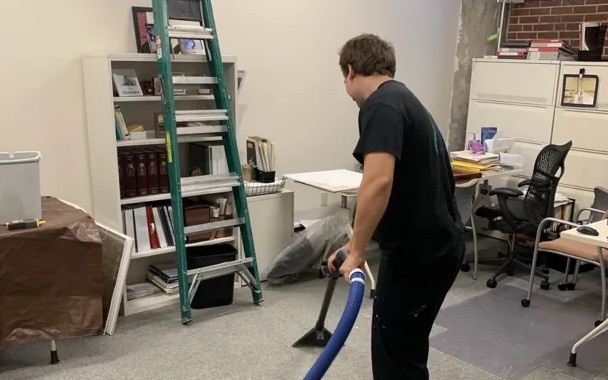
Water Damage Assessment: The First Step in Duck Water Damage Repair
Water damage assessment in Duck addresses immediate concerns and potential long-term effects like structural weakening or mold. Local water damage pros deliver detailed inspections to guide effective and timely restoration decisions for property owners.
In Duck, an inspection finds where water got in and how far it spread. Local water damage pros check for hidden water and mold risk in homes and businesses, also around Harbinger, Jarvisburg and Kitty Hawk.
Water Damage Assessment Methods Used in Duck
Drying Equipment Plan Development
An effective drying strategy is based on assessment findings. The pros calculate necessary equipment like air movers and dehumidifiers for the affected area.
Hidden Water Damage Inspection
Water does not stop at the surface. The pros use meters to check for dampness in framing and insulation, since finding it early is key to a lasting repair.
Mold Growth Risk Assessment
Preventing mold is easier than remediating it. The pros use moisture data to predict risk areas and recommend actions during drying.
Moisture Mapping
Systematic documentation notes the water category, impacted materials, and moisture levels. This baseline report guides the drying protocol and provides evidence for all parties.
Water Leak Source Detection
A systematic search for leaks in plumbing, roofs, and foundations is part of the assessment. The pros document findings with notes and photos.
When to Schedule Water Damage Assessment for Your Duck Property
Stained or Sagging Insulation
Discolored, damp, or drooping insulation in an attic or crawlspace is a red flag for ongoing water infiltration.
Warped or Buckling Flooring
Hardwood floors that cup or laminate that buckles point to moisture underneath and possible structural damage.
Spongy or Soft Drywall
Walls that feel soft to the touch indicate significant water saturation, a key finding in any home water damage evaluation.
Discolored Walls or Ceilings
Water stains or yellowish patches on walls and ceilings often indicate slow leaks or past flooding that need a professional water damage inspection.
How Water Damage Assessment Works in Duck
Step 1: Property-Wide Water Leak Assessment
The process starts with a systematic search for all active and past leaks. The pros examine plumbing, appliances, and the building envelope for failure points.
Step 2: Hidden Water Damage Detection Phase
Using non-invasive tools, the specialists probe behind walls and under floors. This critical phase finds moisture that isn't visible during a standard walkthrough.
Step 3: Evaluation of Salvageable Materials and Belongings
Every affected room undergoes a content and belongings evaluation. The pros separate items for cleaning, items for disposal, and document everything for the homeowner's insurance claim.
Step 4: Drying Strategy and Equipment Planning
Based on the moisture map, the pros design a targeted drying equipment plan. This specifies the number and placement of air movers, dehumidifiers, and monitoring sensors needed.
Common Causes of Water Damage in Duck
Severe Weather and Flooding
Heavy rain and flash floods can overwhelm drainage and push water into a building quickly.
HVAC System Condensation Issues
Clogged drain lines or malfunctioning condensate pumps in air conditioners can cause water to back up and damage ceilings and walls.
Sprinkler System or Irrigation Leaks
Broken sprinkler heads or underground line leaks can saturate soil next to a foundation, promoting water intrusion and mold.
Appliance Malfunctions and Failures
Water heaters, washing machines, dishwashers, and refrigerators can leak due to worn hoses, faulty valves, or internal tank failures.
Local Water Damage Assessment for All Duck Property Types
Residential Water Damage Assessment
When a pipe bursts, the experts find the source and outline the extraction and drying needed for the home.
Commercial Water Damage Assessment
In warehouses or manufacturing plants, a flood damage assessment evaluates impacts on machinery, raw materials, and electrical systems. The pros prioritize areas to prevent corrosion and production delays.
Why DIY Water Damage Inspection Falls Short in Duck
You can move small, portable belongings out of standing water and place aluminum foil under furniture legs to prevent carpet staining. Do not attempt to operate electronics or appliances in wet areas. For a proper content and belongings evaluation and to assess electrical hazards, contact the specialists.
Investment for Water Damage Assessment in Duck
In Duck, cost depends on the time spent evaluating contents and mold risk, and how hard the leak is to reach.
Mold Inspection Necessity
A concurrent mold growth risk assessment after water damage adds another layer of analysis to the overall service.
Water Category and Class
Determining if water is clean, gray, or black, along with its evaporation rate, adds complexity to the evaluation.
Drying Plan Complexity
Developing a detailed drying equipment plan for a large-scale flood damage assessment influences the initial evaluation phase.
Does Insurance Cover Water Damage Assessment?
Whether insurance covers a water damage inspection is a matter for your specific policy. The specialists provide a thorough report with moisture mapping to support your claim.
Why Choose Local Pros for Water Damage Assessment in Duck
Category and Class Analysis
Water is classified by category and evaporation class to determine the appropriate drying strategy and restoration response.
Focus on Source Detection
Identifying the exact water leak source is prioritized to prevent ongoing damage during the assessment phase.
24/7 Emergency Response
Inspections are available at any hour, so the damage is recorded before it spreads.
Emergency Water Damage Inspection in Duck
A water damage inspection is available 24/7 at (757) 665-2121. Finding the leak and mapping moisture early helps limit the damage.
Call Now (757) 665-2121Duck and Region Water Damage Assessment Availability
The places below are also served, and each one has its own page.
- Water Damage Assessment in Harbinger
- Water Damage Assessment in Jarvisburg
- Water Damage Assessment in Kitty Hawk
- Water Damage Assessment in Grandy
- Water Damage Assessment in Kill Devil Hills
- Water Damage Assessment in Gloucester
- Water Damage Assessment in Williamsburg
- Water Damage Assessment in Carrsville
Frequently Asked Questions About Water Damage Assessment
What tools are used for hidden water damage detection?
The pros use moisture meters, thermal imaging cameras, and borescopes to locate moisture behind walls and under floors without invasive demolition.
What does a water damage report include?
The report details findings from all inspection phases, including photos, moisture readings, identified sources, damage descriptions, and the recommended restoration scope.
How is structural damage from water evaluated?
Structural damage inspection involves checking building materials like drywall, wood, and subfloors for swelling, warping, and loss of integrity using visual and moisture probes.
What is category and class determination for water?
It classifies water by contamination level (Category 1, 2, or 3) and by the amount and evaporation rate (Class 1-4) to guide the restoration response.
What is the difference between water damage inspection and restoration?
Inspection is the diagnostic phase that assesses and documents the damage. Restoration is the physical work of drying, cleaning, and repairing based on that assessment.