Western Branch, VA
Water Damage Mitigation in Western Branch, VAStructural Drying Services & Water Damaged Drywall Repair
Emergency water extraction, structural drying services and wet carpet drying are core components of Water Damage Mitigation for Western Branch.
Answered 24/7
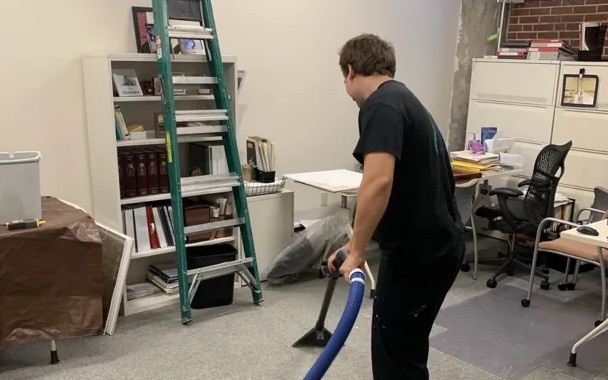
Emergency Water Damage Mitigation for Western Branch Homes
For homeowners dealing with a water leak, the mitigation phase is about stopping the damage in its tracks. This initial response, starting with water extraction, sets the stage for all subsequent drying and restoration work.
In the Western Branch community in Chesapeake, water damage mitigation means removing water quickly and drying the structure before mold starts. Local water damage pros also serve nearby Churchland, Crittenden and Portsmouth.
Water Damage Mitigation and Drying Services in Western Branch
Structural Drying Services
Complete structural drying is non-negotiable for proper restoration. The pros use moisture meters to monitor walls and floors.
Water Damaged Drywall Repair
When drywall is wet, it loses integrity and can harbor mold. The pros follow industry-standard methods to remove affected areas.
Mold Prevention After Water
Mold needs moisture. The pros control humidity and dry materials fully so it cannot take hold.
Floor Water Damage Cleanup
Different flooring materials require specific mitigation strategies. The pros handle wood, vinyl, and concrete floors with appropriate techniques to limit damage.
Wet Carpet Drying
Carpet drying by the pros in Western Branch involves hidden moisture. They address water trapped in the pad and subfloor.
Signs You Need Water Damage Mitigation
Discolored or Stained Ceiling Tiles
Brown or yellow stains on ceiling tiles or drywall point to a leak from above.
Mold or Mildew Growth
Black, green or white fuzzy spots on surfaces are usually mold, caused by moisture that has stayed too long.
Musty Odors in Your Home
Persistent musty smells often indicate hidden moisture and potential mold growth after a water leak.
Sagging or Soft Drywall
Drywall that is sagging, soft to the touch, or has bubbles indicates serious water damage.
How Water Damage Mitigation Works in Western Branch
Step 1: First Call and Assessment
The pros perform an initial visual assessment to scope the water damage restoration project.
Step 2: Bulk Water Extraction and Removal
Using submersible pumps and floating extractors, all bulk water is removed from the property.
Step 3: Comprehensive Floor Water Damage Cleanup
Hardwood, laminate, tile and subflooring are each dried in the way that suits them, to keep them from warping or loosening.
Step 4: Completion and Air Quality Check
Once drying goals are met, equipment is removed. The air is checked for excessive humidity, and a final report is provided for your insurance claim regarding the water damage mitigation.
Leading Causes of Household Water Incidents
Natural Flooding From Heavy Rain
Heavy rain or a nearby creek or river overflowing can flood a home.
Sewage Backup or Drain Clogs
Blocked main sewer lines or septic systems can force contaminated water back into sinks, tubs, and toilets.
Appliance Malfunctions and Leaks
Water heaters, washing machines, dishwashers, and refrigerators can leak or overflow, causing significant floor water damage.
Sprinkler System Malfunctions
Broken sprinkler heads or lines can saturate exterior walls and seep into the structure over time.
Water Damage Mitigation for All Property Types in Western Branch
Residential Water Damage Mitigation
In apartments and condos, the pros contain the leak so it does not reach neighboring units, then extract and dry in tight spaces.
Commercial Water Damage Mitigation
In industrial settings, water is removed from around machinery and materials. The pros dry concrete slabs and production areas before work resumes.
Professional Water Damage Mitigation Compared to DIY Cleanup
Safely unplug electronics and move them away from standing water to prevent shock hazards. Remove easily accessible stored items from a flooded closet or cabinet to allow air flow. Do not attempt to peel back wet carpet or remove wet drywall yourself.
What Influences Water Damage Mitigation Expenses in Western Branch
In Western Branch, the price depends on how much extraction and drying are needed and whether belongings need drying too.
Mold Prevention Steps
Antimicrobial treatment to prevent mold adds a step and some cost to the job.
Water Source Category
Clean water from a supply line leak costs less to mitigate than contaminated grey or black water, which requires stricter safety protocols.
Material Type
Porous materials like drywall and carpet absorb more water, often needing removal. Non-porous surfaces may only require surface drying.
Does Insurance Cover Water Damage Mitigation?
Coverage depends on your policy. Insurers generally cover mitigation needed to prevent more damage after a covered event. Pros in Western Branch record the conditions for your claim.
Benefits of Local Restoration Pros for Water Damage Mitigation
24/7 Emergency Response
Water damage requires immediate attention to prevent worsening. The pros offer around-the-clock availability for emergency water extraction calls.
Focused Material Repair
Pros also repair common problem areas, like water-damaged drywall and wet carpet.
Organized Cleanup Process
Each step, from extraction to the final dryness check, is done in order and recorded.
24/7 Emergency Water Damage Mitigation in Western Branch
Act fast after a flooding incident in Western Branch. Call (757) 665-2121 for emergency water damage mitigation available 24 hours a day. Initial extraction and drying setup are the most important steps in the entire restoration timeline.
Call Now (757) 665-2121Water Damage Mitigation Near Western Branch: Areas Served
Water damage mitigation is a critical service for homeowners in Western Branch and nearby areas like Churchland, Crittenden and Portsmouth.
Water Damage Mitigation FAQs
What happens during a water damage inspection?
A water damage inspection assesses the source, category of water, extent of affected areas, and materials involved to create a scope for the necessary mitigation and drying plan.
How should water extraction begin?
Emergency water extraction should begin as soon as possible, ideally within hours. The longer water sits, the more it absorbs into materials, increasing damage and drying time.
How is mold prevented after water damage?
Fast extraction, dehumidifiers, full structural drying and sometimes EPA-registered antimicrobial agents on wet surfaces.
What equipment is used for water removal service?
Pros use truck-mounted or portable extractors for water removal, followed by industrial-grade air movers, dehumidifiers, and moisture meters to dry the structure completely.
Can wet carpet be saved after water damage?
Wet carpet drying is often possible if extraction starts quickly and professional drying equipment is used.