Churchland, VA
Temperature-Controlled Drying in Churchland, VAWater Damage Drying Logs & Thermal Drying For Water Damage
Temperature-Controlled Drying in Churchland includes thermal drying for water damage, rapid structural drying services, and humidity control for restoration managed by local drying equipment pros.
Answered 24/7
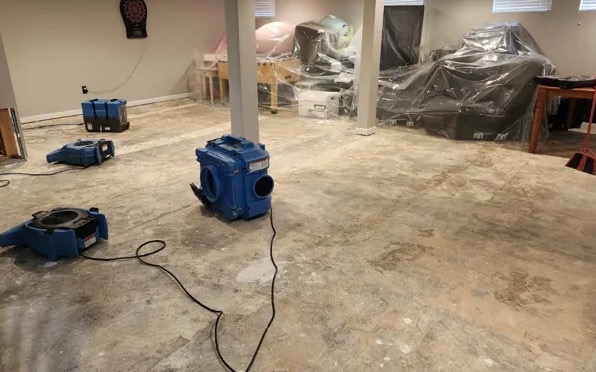
Professional Temperature-Controlled Drying in Churchland, VA
In Churchland, water trapped in subfloors, wall cavities or behind cabinets dries slowly because the air there does not move.
In Churchland and nearby Western Branch, Larchmont and Ghent, local pros take baseline moisture readings, then run air movers and dehumidifiers and log moisture levels as they drop.
Comprehensive Temperature-Controlled Drying Solutions for Churchland
Water Damage Drying Logs
The pros in Churchland maintain drying logs as an official record. This data tracks moisture reduction over time and informs any needed adjustments to the drying strategy.
Thermal Drying for Water Damage
The pros raise the room temperature in a controlled way to drive moisture out of dense materials like concrete slabs and beams, watching readings the whole time.
Moisture Mapping
Moisture mapping uses penetrating and non-penetrating meters to document water migration. This creates a blueprint of wet areas, including hidden moisture behind walls.
Air Mover Placement for Drying
Expert deployment of air movers displaces the saturated air layer clinging to wet materials. Proper placement helps ensure every surface receives directed airflow, the engine of evaporation.
Drying Equipment Deployment
The pros choose the mix of air movers, dehumidifiers and heaters from the size of the area, the materials and the moisture levels, then set it up to run safely.
Indicators for Temperature-Controlled Drying in Churchland Properties
Discoloration on Drywall or Ceilings
Yellow or brown water stains appear on surfaces that seem dry. These stains suggest moisture is still present inside the wall cavity.
Soft Drywall or Sagging Ceiling
Drywall feels spongy to the touch or a ceiling sags downward. This softness means the material is saturated and structurally compromised.
Condensation on Windows or Surfaces
Excess humidity causes water droplets to form on cold surfaces. This condensation confirms the indoor air has too much moisture.
Visible Mold Growth in Corners
Black, green or white specks in damp corners or on baseboards are usually mold, which means moisture has been there a while.
How Temperature-Controlled Drying Works in Churchland
Step 1: Establishing the Drying Environment
The first step involves preparing the area by removing debris and setting up containment if needed.
Step 2: Implementing the Drying Array
Air movers and dehumidifiers are paired in a planned layout to dry walls and floors.
Step 3: Executing Temperature-Controlled Drying
The system executes temperature-controlled drying, maintaining ideal conditions to draw moisture out of materials.
Step 4: Final Verification and Documentation
Final verification compares moisture readings in affected materials to known dry standards in the home.
Typical Reasons for Drying Needs in Churchland
Roof Leak During Heavy Rain
Wind-driven rain through a damaged roof or flashing can run down inside wall cavities, where it needs targeted drying.
HVAC System Condensation Issues
A clogged condensate drain line causes an overflow inside the air handler. This water can soak insulation and ductwork, creating a hidden moisture issue.
Poor Ventilation After a Flood
Closing up a wet room traps humid air, which slows drying and lets moisture soak further into materials.
Foundation Cracks and Seepage
Hydrostatic pressure forces groundwater through cracks in the foundation wall. This seepage creates a constant dampness that challenges standard drying technology.
Residential and Commercial Drying in Churchland, VA
Residential Temperature-Controlled Drying
Residential restoration focuses on saving personal items and preventing long-term odors in living areas and bedrooms. The specialists employ thermal drying for water damage to gently yet effectively dry contents and building materials.
Commercial Temperature-Controlled Drying
In commercial settings, uncontrolled humidity can damage sensitive electronics, documents, and finished goods. The pros implement humidity control for restoration to create optimal drying conditions for diverse materials.
Temperature-Controlled Drying: DIY Risks vs. Professional Care in Churchland
Letting a room air dry for days risks mold and lets moisture wick into nearby materials. Air movers and dehumidifiers dry it in a fraction of the time.
Investing in Professional Temperature-Controlled Drying in Churchland
In Churchland, the main price factors are how long drying takes and which equipment, such as heaters or desiccants, is used.
Moisture Mapping Complexity
Checking moisture in layered floors or hidden cavities takes more time and equipment.
Drying Time Required
Longer drying periods for climate-controlled systems mean more equipment runtime and monitoring, impacting the overall cost of the restoration project.
Extent of Water Damage
The larger the area that needs drying, the more equipment and labor the job takes.
Does Insurance Cover Temperature-Controlled Drying?
Whether insurance pays for thermal drying for water damage depends on your policy's specific language and the cause of loss. The pros meticulously record moisture levels and drying progress to create a verifiable log for your adjuster.
Selecting Drying Equipment Pros for Temperature-Controlled Drying in Churchland
Ongoing Moisture Monitoring
Regular checks with moisture meters verify that drying goals are met, helping ensure no residual dampness remains within walls or floors.
24/7 Emergency Response
Quick action is critical to limit secondary damage, and local pros are available around the clock to begin the drying process.
IICRC-Standard Drying Methods
Drying follows industry guidelines and is checked with meters, which keeps framing and floors from staying wet.
Round-the-Clock Emergency Temperature-Controlled Drying in Churchland
Don't let moisture settle in. For emergency deployment of drying equipment and strategic air mover placement to start controlled drying, reach the pros directly at (757) 665-2121, available 24/7.
Call Now (757) 665-2121Temperature-Controlled Drying for Churchland and Surrounding Regions
Climate-controlled and thermal drying are available in Churchland and surrounding places including Western Branch, Larchmont and Ghent.
- Temperature-Controlled Drying in Western Branch
- Temperature-Controlled Drying in Larchmont
- Temperature-Controlled Drying in Ghent
- Temperature-Controlled Drying in Portsmouth
- Temperature-Controlled Drying in Norfolk
- Temperature-Controlled Drying in Deep Creek
- Temperature-Controlled Drying in Crittenden
- Temperature-Controlled Drying in Greenbrier
Your Temperature-Controlled Drying Questions Addressed
What materials benefit most from controlled drying systems?
Porous structural materials like drywall, wood framing, and concrete, as well as contents like documents and furniture, benefit greatly from controlled, gradual drying to prevent ruin.
How long does the temperature-controlled drying process take?
It depends on the damage, the materials and the conditions. Pros monitor readings and stop when moisture goals are met.
Why is moisture mapping important for drying?
Sensors measure moisture across the affected area to show exactly where it is wet, so equipment is aimed at the right spots.
Can rapid drying technology dry a property too quickly?
Yes, excessive heat or airflow can cause surface crusting, cracking, or other material stress, which is why professional drying balances speed with material-specific safety limits.
Is temperature-controlled drying safe for electronics or artwork?
Yes, when the pros use low heat and careful humidity control, it can be safe for drying sensitive materials and belongings.