Norfolk, VA · Norfolk City
Temperature-Controlled Drying in Norfolk, VAThermal Drying For Water Damage & Drying Equipment Deployment
Temperature-Controlled Drying in Norfolk by local moisture control experts includes thermal drying for water damage, climate-controlled drying systems, and rapid structural drying services.
Answered 24/7
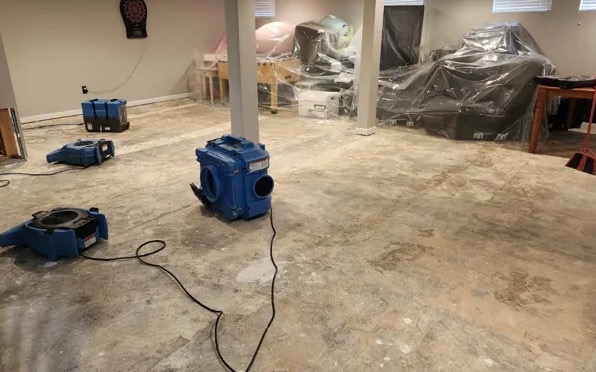
Local Temperature-Controlled Drying Solutions for Norfolk Homes
In Norfolk, slow or uneven drying lets wood rot and drywall soften, which adds cost and keeps you out of your home longer.
In Norfolk and nearby Ghent, Portsmouth and Larchmont, local pros map moisture in walls and subfloors, then fit thermal drying and humidity control to the materials in the building.
Specialized Temperature-Controlled Drying Offerings in Norfolk, VA
Thermal Drying for Water Damage
Controlled heat speeds up drying of wet materials in Norfolk, which helps prevent swelling wood and failed flooring adhesive.
Drying Equipment Deployment
The experts in Norfolk position equipment to create the controlled environment. They set correct settings and may build containment barriers, turning the drying plan into action.
Humidity Control for Restoration
The experts size dehumidifiers from the moisture map, then pair them with air movers to carry moisture away from materials.
Moisture Mapping
The experts take moisture readings at many points and depths to map every wet area and set drying goals, so nothing is missed.
Water Damage Drying Logs
The experts compile drying logs with moisture maps, photos, and readings. This report documents the system's performance and the materials' response, demonstrating a professional approach.
Symptoms Needing Temperature-Controlled Drying in Norfolk
Soft Drywall or Sagging Ceiling
Drywall feels spongy to the touch or a ceiling sags downward. This softness means the material is saturated and structurally compromised.
Warping of Wood Floors or Trim
Floorboards begin to cup, buckle, or separate at the seams. This warping is a direct result of excessive, uneven moisture content.
Condensation on Windows or Surfaces
Excess humidity causes water droplets to form on cold surfaces. This condensation confirms the indoor air has too much moisture.
Discoloration on Drywall or Ceilings
Yellow or brown water stains appear on surfaces that seem dry. These stains suggest moisture is still present inside the wall cavity.
How Temperature-Controlled Drying Works in Norfolk
Step 1: Establishing the Drying Environment
The first step involves preparing the area by removing debris and setting up containment if needed.
Step 2: Implementing the Drying Array
Air movers and dehumidifiers are paired in a planned layout to dry walls and floors.
Step 3: Executing Temperature-Controlled Drying
The system executes temperature-controlled drying, maintaining ideal conditions to draw moisture out of materials.
Step 4: Final Verification and Documentation
Final verification compares moisture readings in affected materials to known dry standards in the home.
Sources of Water Intrusion Needing Moisture Removal in Norfolk
Storm-Driven Water Intrusion
Heavy rain overflows gutters or gets in around windows and soaks framing and insulation.
Poor Ventilation After a Flood
Closing up a wet room traps humid air, which slows drying and lets moisture soak further into materials.
Foundation Cracks and Seepage
Hydrostatic pressure forces groundwater through cracks in the foundation wall. This seepage creates a constant dampness that challenges standard drying technology.
Roof Leak During Heavy Rain
Wind-driven rain through a damaged roof or flashing can run down inside wall cavities, where it needs targeted drying.
Temperature-Controlled Drying for All Property Types in Norfolk
Residential Temperature-Controlled Drying
Residential restoration focuses on saving personal items and preventing long-term odors in living areas and bedrooms. The specialists employ thermal drying for water damage to gently yet effectively dry contents and building materials.
Commercial Temperature-Controlled Drying
In commercial settings, uncontrolled humidity can damage sensitive electronics, documents, and finished goods. The pros implement humidity control for restoration to create optimal drying conditions for diverse materials.
Professional Temperature-Controlled Drying vs. Do-It-Yourself in Norfolk
Moisture from a leak may seem surface-dry, but it often remains deep within materials. You can use a moisture meter from a hardware store to check for obvious dampness in drywall or wood. Interpreting these readings and executing the rapid drying needed to prevent mold requires the expertise and commercial-grade equipment of the specialists in Norfolk.
Cost Considerations for Temperature-Controlled Drying in Norfolk
In Norfolk, the cost depends on how much drying equipment is used and how long it runs, plus the moisture readings taken along the way.
Extent of Water Damage
The larger the area that needs drying, the more equipment and labor the job takes.
Equipment Needs
The number and type of air movers, dehumidifiers and heaters used affect the cost.
Documentation Requirements
Detailed drying logs and moisture reports for insurance take extra time to prepare.
Does Insurance Cover Temperature-Controlled Drying?
The experts in Norfolk provide thorough documentation including moisture mapping data to support a homeowner's claim. Coverage decisions belong to the insurer, so property owners should confirm with their provider.
Why Choose Local Moisture Control Experts for Temperature-Controlled Drying in Norfolk
Strategic Equipment Deployment
Air movers and dehumidifiers are placed according to a plan for even airflow and low humidity.
Advanced Moisture Mapping
Moisture meters and thermal cameras find hidden wet pockets so every affected material is dried.
Comprehensive Drying Logs
Detailed, chronological logs of moisture readings and equipment settings provide a transparent record of the entire temperature-controlled drying process.
24/7 Emergency Temperature-Controlled Drying in Norfolk
Fast drying limits damage to walls and floors. Call (757) 665-2121 anytime, day or night, to get drying equipment set up in Norfolk.
Call Now (757) 665-2121Temperature-Controlled Drying for Norfolk and Surrounding Regions
Temperature-controlled drying is available for homes and businesses in Norfolk and nearby areas like Ghent, Portsmouth and Larchmont.
- Temperature-Controlled Drying in Ghent
- Temperature-Controlled Drying in Portsmouth
- Temperature-Controlled Drying in Larchmont
- Temperature-Controlled Drying in Greenbrier
- Temperature-Controlled Drying in Churchland
- Temperature-Controlled Drying in Chesapeake
- Temperature-Controlled Drying in Deep Creek
- Temperature-Controlled Drying in Western Branch
- Emergency Damage Restoration in 23501
- Storm Damage Restoration in 23501
- Water Damage Restoration in 23501
- Water Extraction Service in 23501
- Water Leak Detection in 23501
- Water Removal Service in 23501
- Emergency Damage Restoration in 23502
- Storm Damage Restoration in 23502
Your Temperature-Controlled Drying Questions Addressed
How is drying progress verified during moisture monitoring?
Progress is verified by taking comparative moisture readings with penetrating and non-penetrating meters over time, ensuring levels drop to established dry standards for each material.
What are the benefits of rapid structural drying services?
Rapid structural drying minimizes the time materials are wet, reducing the risk of swelling, warping, and secondary damage like mold, which helps preserve property value.
Can temperature-controlled drying prevent mold growth?
By rapidly removing moisture and controlling humidity, the process creates an environment where mold cannot thrive, significantly reducing the potential for mold.
What happens if hidden moisture is not found during mapping?
Undetected moisture can lead to ongoing deterioration, odor issues, and mold growth inside walls or under floors, underscoring the critical need for thorough initial assessment.
What are water damage drying logs used for?
Drying logs are detailed records of moisture readings, equipment settings, and progress; they provide documentation for the restoration process and are often required for insurance claims.